Early Life and Education
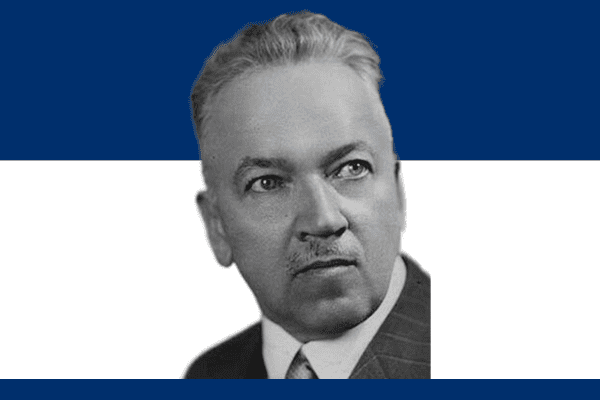
Rafael Waldemar Erich was born on June 10, 1879, in Turku, Finland. He grew up in an educated family that valued learning and public service. From an early age, he showed a strong interest in law, politics, and international affairs. He attended the University of Helsinki, where he studied law and later became one of Finland’s leading legal scholars.
Erich worked hard to build his academic career. In 1910, he became a professor of constitutional and international law at the University of Helsinki. His lectures and writings earned respect both in Finland and abroad. Instead of limiting himself to teaching, he actively participated in political discussions and national affairs.
Political Career
Rafael Erich entered politics during a difficult period in Finnish history. Finland had recently gained independence from Russia in 1917, and the country faced political instability and economic challenges. Erich joined the National Coalition Party and quickly became an influential political figure.
In 1919, Finnish citizens elected him to Parliament. He strongly supported democracy, national unity, and international cooperation. Due to his legal expertise and leadership qualities, political leaders trusted him with important responsibilities.
In March 1920, Rafael Erich became the Prime Minister of Finland. At that time, Finland needed strong leadership to secure its independence and establish peaceful relations with neighboring countries. Erich focused on diplomacy and national stability rather than political conflict.
Achievements as Prime Minister
One of Rafael Erich’s greatest achievements came during the negotiations of the Treaty of Tartu in 1920. This treaty officially established peaceful relations between Finland and Soviet Russia. More importantly, Soviet Russia formally recognized Finland’s independence through this agreement.
Erich’s government also worked to strengthen Finland’s international reputation. Under his leadership, Finland joined the League of Nations, an international organization created to promote peace and cooperation after World War I. These accomplishments helped Finland gain recognition as a stable and independent country.
Unlike many politicians of his time, Erich preferred negotiation and diplomacy over confrontation. His calm and intelligent leadership allowed Finland to build stronger international relationships.
Diplomatic and Academic Contributions
After serving as Prime Minister, Rafael Erich continued to serve Finland in diplomatic roles. He worked as Finland’s ambassador to several countries, including Sweden, Switzerland, and Italy. He also represented Finland in the League of Nations.
In addition to diplomacy, Erich remained active in legal scholarship. He wrote extensively about constitutional law and international relations. Many people considered him one of Finland’s greatest experts in international law.
His achievements earned international respect. In 1938, he became a judge at the International Court of Justice in The Hague, making history as the first Finnish representative to hold such an important position.
Legacy
Rafael Erich left a lasting impact on Finland’s political and legal systems. He helped secure Finland’s independence during a critical period and strengthened its place in international diplomacy. His dedication to democracy, peace, and law inspired future generations of Finnish leaders.
Even today, historians remember him as a wise statesman who combined academic excellence with practical leadership. Through his work as a professor, politician, diplomat, and prime minister, Rafael Erich played a key role in shaping modern Finland.
Conclusion
Rafael Erich devoted his life to serving Finland through politics, diplomacy, and education. His leadership during Finland’s early years of independence helped the nation gain international recognition and stability. By promoting peace, law, and cooperation, he earned respect both at home and abroad. His contributions continue to hold historical importance in Finland today.