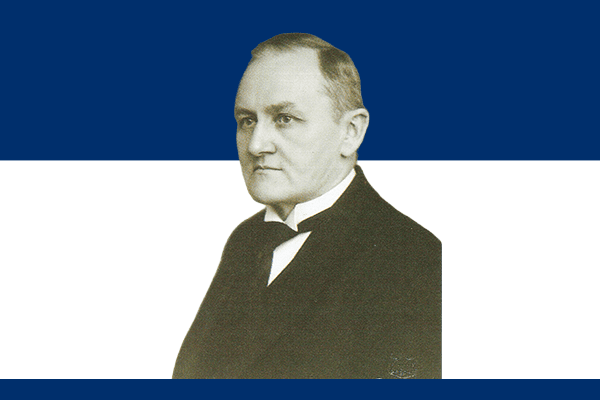
Early Life and Education
Juho Sunila was born on August 16, 1875, in Liminka, Finland, which was then part of the Russian Empire. He grew up in a farming family, and his rural upbringing influenced his lifelong interest in agriculture and land reform. Instead of pursuing a career outside the countryside, he focused on agricultural development and education.
Sunila studied agriculture and economics, gaining valuable knowledge that later supported his political and administrative work. After completing his studies, he became involved in farming organizations and agricultural cooperatives. His expertise and leadership abilities quickly earned respect among rural communities.
Career in Agriculture
Before entering national politics, Juho Sunila built a successful career in agriculture. He worked as an agricultural advisor and actively encouraged modern farming methods in Finland. He believed that strong agricultural production could improve the nation’s economy and strengthen rural society.
Sunila also played an important role in cooperative movements. He supported organizations that helped farmers gain better access to markets, tools, and financial services. Through these efforts, he improved opportunities for small farmers and promoted economic independence in rural areas.
His achievements in agriculture increased his public reputation and opened the door to political leadership.
Political Career
Juho Sunila joined the Agrarian League, a political party that represented farmers and rural citizens. He quickly became one of the party’s leading figures because of his experience, practical ideas, and ability to connect with ordinary people.
He served in several important government positions before becoming Prime Minister. During his political career, he focused strongly on agricultural reform, economic development, and social stability. He worked to balance the interests of rural and urban populations while encouraging national unity.
Prime Minister of Finland
Juho Sunila served as Prime Minister of Finland twice. His first term lasted from 1927 to 1928, and his second term lasted from 1931 to 1932. During these years, Finland faced economic difficulties and political tensions, but Sunila approached these challenges calmly and responsibly.
As Prime Minister, he promoted agricultural reforms and supported economic policies that benefited rural communities. He worked actively to strengthen Finland’s democratic institutions and maintain political cooperation. Instead of creating division, he encouraged compromise and stability.
Sunila also supported Finland’s independence and national security during a period of uncertainty in Europe. His leadership helped Finland maintain order and confidence during difficult times.
Leadership Style and Contributions
Juho Sunila earned respect for his modest personality and practical leadership style. He preferred cooperation over conflict and focused on solving real problems rather than seeking personal attention. His deep understanding of agriculture allowed him to create policies that improved the daily lives of Finnish citizens.
He contributed greatly to Finland’s cooperative movement and agricultural modernization. His efforts strengthened rural communities and increased economic opportunities for farmers. Through his leadership, Finland developed a stronger agricultural system that supported national growth.
Legacy
Juho Sunila remains an important figure in Finnish political history. Historians remember him for his dedication to democracy, agriculture, and rural development. His leadership reflected honesty, responsibility, and service to the nation.
Although he did not seek fame or power, his contributions left a lasting impact on Finland’s economy and political culture. His work helped shape modern Finnish agricultural policy and strengthened democratic governance during a critical period in the country’s history.
Conclusion
Juho Sunila devoted his life to improving Finland through agriculture, cooperation, and public service. As a farmer, political leader, and Prime Minister, he worked actively to strengthen rural communities and protect democratic values. His calm leadership and practical reforms continue to make him a respected figure in Finland’s national history.