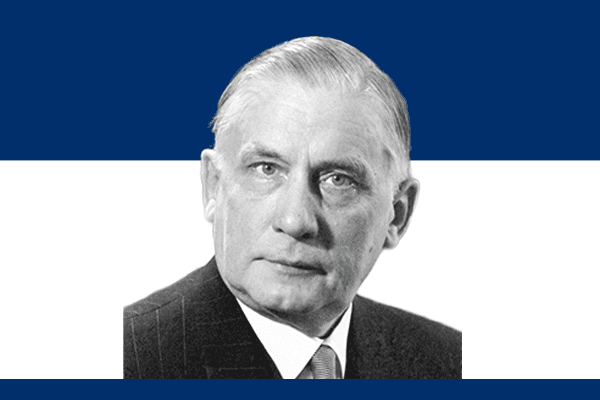
Early Life and Education
Edwin Linkomies was born on December 22, 1894, in Viipuri, Finland, which was then part of the Russian Empire. His original surname was Flinck, but he later changed it to Linkomies as part of the Finnish national movement that encouraged Finnish-language names.
From an early age, Linkomies showed great interest in literature, classical languages, and history. He studied at the University of Helsinki, where he specialized in Latin and classical studies. His academic talent quickly became evident, and he built a successful career as a scholar and teacher.
After completing his studies, he worked as a professor of Latin literature. Students and colleagues admired his knowledge, discipline, and dedication to education. His academic success helped him become one of Finland’s respected intellectual figures.
Academic Career
Edwin Linkomies devoted much of his life to education and research. At the University of Helsinki, he taught classical literature and inspired many students with his lectures. He strongly supported academic excellence and encouraged the development of Finnish higher education.
Later, he became the rector of the University of Helsinki. In this role, he guided the institution during challenging political and economic times. He worked actively to protect academic independence and maintain high educational standards.
In addition to teaching, Linkomies wrote several books and scholarly articles. His works focused mainly on classical literature, culture, and history. Through his writings, he contributed significantly to Finnish intellectual life.
Political Career
Although Linkomies achieved success in academics, he also entered politics. He joined the National Progressive Party and later became associated with other conservative political groups. His intelligence, leadership skills, and calm personality helped him gain influence in Finnish politics.
During World War II, Finland faced serious challenges because of conflicts with the Soviet Union. In 1943, Edwin Linkomies became Prime Minister of Finland. At that time, the country struggled with economic hardship, military pressure, and political uncertainty.
As Prime Minister, Linkomies focused on maintaining stability and protecting Finland’s independence. He worked closely with President Risto Ryti and other leaders during the war years. He also attempted to improve Finland’s international position and manage relations with foreign powers.
Even during wartime, Linkomies emphasized the importance of education, culture, and national unity. His government faced difficult decisions, but he continued to serve the country with determination and responsibility.
Challenges and Later Life
After World War II, Finland experienced major political changes. Some leaders faced criticism because of their wartime decisions. Edwin Linkomies was among those tried for political responsibility related to the war. Although the situation damaged his political career, many people still respected his honesty and dedication to Finland.
Following his release from prison, Linkomies returned to academic work. He resumed writing and teaching, demonstrating resilience and commitment to intellectual life. Instead of withdrawing completely from public life, he continued contributing to Finnish society through education and literature.
His memoirs and historical writings provided valuable insights into Finland’s wartime experiences and political history. Readers appreciated his thoughtful analysis and balanced perspective.
Legacy
Edwin Linkomies remains an important figure in Finnish history. People remember him not only as a politician but also as an accomplished scholar and educator. His leadership during difficult times reflected his sense of duty and patriotism.
His contributions to Finnish education, classical studies, and politics continue to receive recognition. Through his academic achievements and public service, he helped shape modern Finland.
Conclusion
Edwin Linkomies combined intellectual brilliance with public service. As a professor, rector, writer, and Prime Minister, he influenced Finland in many ways. Despite facing political challenges, he remained dedicated to education, culture, and national progress. His life demonstrates how scholarship and leadership can work together to serve a nation.