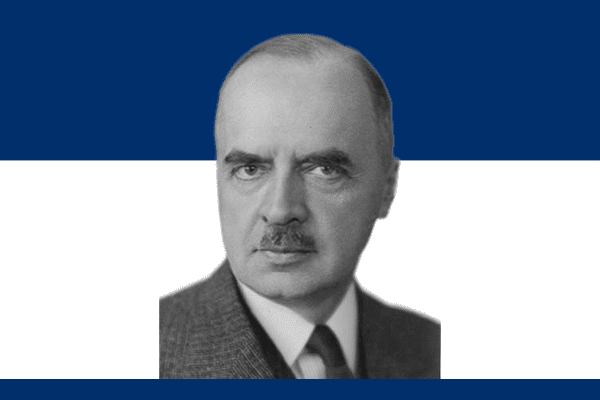
Early Life and Education
Antti Verner Hackzell was born on September 20, 1881, in Mikkeli, Finland, which was then part of the Russian Empire. He grew up in a well-educated family that encouraged learning and public service. Hackzell studied law at the University of Helsinki and earned his degree with distinction. His legal education strengthened his analytical thinking and prepared him for a career in politics and diplomacy.
After completing his studies, he began practicing law and quickly gained recognition for his intelligence and professionalism. His strong understanding of legal matters helped him build a respected reputation in Finnish society.
Political Career
Hackzell entered politics during a time when Finland was struggling for greater independence and national identity. He joined the National Coalition Party, a conservative political party that supported democracy, national unity, and economic development.
During the early years of his political career, Hackzell served in several government positions. He focused on financial policy, foreign affairs, and national administration. His leadership abilities and diplomatic approach earned him the trust of fellow politicians and government officials.
He also represented Finland in international negotiations and diplomatic missions. Through these efforts, he strengthened Finland’s relationships with other nations and promoted Finnish interests abroad.
Prime Minister of Finland
In August 1944, Antti Hackzell became the Prime Minister of Finland during one of the most challenging periods in the country’s history. Finland was involved in World War II and faced growing pressure from the Soviet Union. As prime minister, Hackzell focused on securing peace and protecting Finland’s independence.
He led negotiations aimed at ending the conflict between Finland and the Soviet Union. Rather than encouraging continued warfare, Hackzell pursued diplomatic solutions that could preserve the nation’s stability. His government worked under intense pressure, as Finland faced military and political uncertainty.
Although Hackzell served as prime minister for only a short period, his contributions proved highly significant. He helped guide Finland toward peace negotiations at a crucial moment in history.
Diplomatic Contributions
Antti Hackzell built a strong reputation as a skilled diplomat. He believed diplomacy offered the best path for maintaining peace and national security. Throughout his career, he represented Finland in several international roles and negotiations.
His diplomatic style emphasized cooperation, careful planning, and respect for international law. Instead of using aggressive political tactics, Hackzell preferred negotiation and dialogue. These qualities made him an effective representative of Finland during difficult international situations.
His work strengthened Finland’s global standing and demonstrated the importance of diplomacy in protecting smaller nations during times of conflict.
Health Problems and Resignation
While participating in peace negotiations in Moscow in 1944, Hackzell suffered a serious stroke. The illness severely affected his health and prevented him from continuing his duties as prime minister. As a result, he resigned from office shortly afterward.
Despite his sudden departure, Finnish leaders and citizens respected his dedication and service to the nation. His efforts during the peace negotiations left a lasting impact on Finland’s future.
Legacy and Importance
Antti Hackzell remains an important figure in Finnish political history. His leadership during World War II demonstrated courage, responsibility, and commitment to national stability. He worked actively to secure peace and protect Finland’s sovereignty during a dangerous period.
Historians continue to recognize his diplomatic achievements and practical leadership style. Although his time as prime minister was brief, his decisions influenced Finland’s future direction and international relationships.
Conclusion
Antti Hackzell dedicated his life to public service, diplomacy, and national leadership. Through his legal expertise, political experience, and diplomatic efforts, he helped Finland navigate one of the most difficult periods in its history. His calm and thoughtful leadership continues to earn respect in Finnish history.