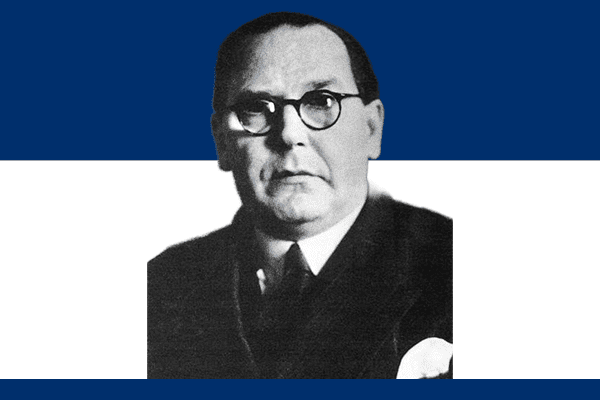
Early Life and Education
Karl-August Fagerholm was born on December 31, 1901, in Siuntio, Finland. He grew up in a Swedish-speaking working-class family and experienced the hardships faced by ordinary citizens. These early experiences shaped his interest in social justice and workers’ rights.
Instead of pursuing an elite political path, Fagerholm worked in different jobs during his youth. He later became active in labor unions and political organizations. His involvement in public affairs increased as he developed strong communication and leadership skills. Through hard work and dedication, he gained recognition within the Social Democratic Party of Finland.
Entry into Politics
Fagerholm entered national politics during a time of political tension and economic uncertainty in Finland. He joined the Social Democratic Party and focused on improving conditions for workers and low-income families. Rather than supporting extremist ideologies, he defended democratic principles and parliamentary governance.
His practical approach and calm personality earned him respect from political allies and opponents alike. In the 1930s and 1940s, he became one of the most important leaders in Finnish politics. He also served as Speaker of the Finnish Parliament, where he encouraged cooperation among political parties.
Prime Minister of Finland
Karl-August Fagerholm first became Prime Minister of Finland in 1948. Finland faced serious economic and political challenges after World War II, including pressure from the Soviet Union and the need for national reconstruction. Fagerholm focused on maintaining Finland’s independence while strengthening democracy and economic recovery.
During his leadership, he improved social welfare policies and promoted cooperation between employers and workers. He believed that stability could only be achieved through dialogue and compromise. His government encouraged economic development and worked to rebuild public confidence in democratic institutions.
Fagerholm served again as Prime Minister from 1956 to 1957 and later from 1958 to 1959. During these terms, he addressed economic reforms, labor issues, and foreign relations. He also strengthened Finland’s international image by promoting peaceful diplomacy and neutrality during the Cold War.
Contributions to Finnish Society
Fagerholm dedicated much of his political career to improving social conditions in Finland. He supported workers’ rights, fair wages, and social security programs. Instead of dividing society, he encouraged unity between different political and economic groups.
He also contributed to Finland’s parliamentary traditions and democratic culture. His leadership helped Finland maintain political stability during difficult international circumstances. Through negotiation and compromise, he prevented major political conflicts and strengthened public trust in government institutions.
Leadership Style and Personality
Karl-August Fagerholm earned respect for his calm, balanced, and thoughtful leadership style. He preferred negotiation over confrontation and believed that cooperation created lasting solutions. His ability to communicate effectively made him a successful statesman.
Although he faced political opposition, he remained committed to democratic values and peaceful governance. He avoided extreme political positions and focused on practical reforms that benefited ordinary citizens. His leadership reflected honesty, discipline, and dedication to public service.
Legacy and Historical Importance
Karl-August Fagerholm remains one of Finland’s most respected political leaders. His contributions to democracy, labor rights, and social welfare had a lasting impact on Finnish society. He helped guide Finland through post-war recovery and strengthened the country’s democratic foundations.
Historians remember him as a leader who balanced domestic reforms with careful foreign policy. His commitment to peace and cooperation helped Finland maintain stability during the Cold War era. His influence continues to shape Finnish political culture today.
Conclusion
Karl-August Fagerholm played a crucial role in Finland’s political development during the twentieth century. Through active leadership, democratic values, and social reforms, he improved the lives of many Finnish citizens. His dedication to peace, cooperation, and public service secured his place as one of Finland’s most important political figures.