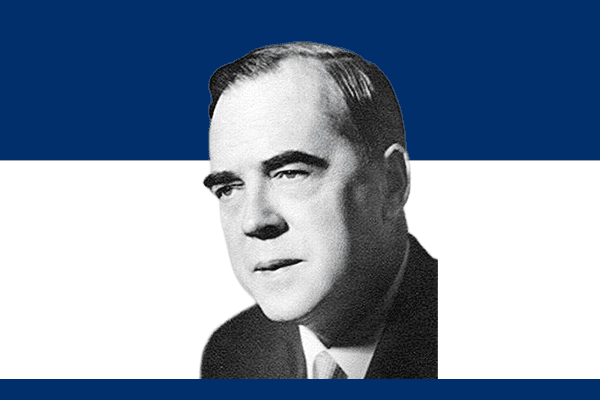
Early Life and Education
Ralf Johan Gustaf Törngren was born on March 1, 1899, in Oulu, Finland. He grew up in a Swedish-speaking Finnish family that valued education and public responsibility. During his early years, Finland experienced political changes and social transformation, which influenced his interest in politics and governance.
He completed his education in economics and business administration. His academic background helped him understand financial systems, trade, and public administration. Instead of limiting himself to private business, he chose public service and entered politics at a young age.
Entry into Politics
Törngren joined the Swedish People’s Party of Finland, a political party that represented the Swedish-speaking minority in Finland. He quickly gained recognition because of his intelligence, calm personality, and practical political approach. He focused on cooperation between political groups and encouraged balanced national policies.
During the 1920s and 1930s, he served in several government positions and worked actively in Parliament. He participated in discussions about economic reforms, national unity, and social welfare. His ability to negotiate with different political parties strengthened his reputation as a skilled statesman.
Role in Finnish Government
Throughout his political career, Ralf Törngren held several important ministerial positions. He served as Minister of Finance and later handled foreign affairs. In these roles, he focused on economic recovery, trade development, and maintaining Finland’s international relationships.
After World War II, Finland faced serious political and economic challenges. The country needed strong leadership to rebuild its economy and maintain peaceful relations with neighboring nations. Törngren supported policies that encouraged stability and international cooperation. He worked carefully to protect Finland’s independence while promoting diplomatic balance during the Cold War era.
Prime Minister of Finland
In 1955, Ralf Törngren became the Prime Minister of Finland. Although his term lasted for a relatively short period, he managed several important national matters effectively. His government focused on economic management, social development, and foreign policy cooperation.
As prime minister, he encouraged collaboration among coalition partners and avoided unnecessary political conflicts. Finland’s political environment often required compromise, and Törngren handled this responsibility with patience and diplomacy. He believed that cooperation created stronger governments and more stable societies.
During his leadership, Finland strengthened its position in international affairs. His government supported peaceful relations with both Western countries and the Soviet Union. This balanced foreign policy helped Finland maintain security and independence during a tense period in global politics.
Leadership Style and Personality
Ralf Törngren earned respect for his calm and thoughtful leadership style. He preferred negotiation over confrontation and valued practical solutions instead of dramatic political actions. Colleagues and political opponents admired his honesty and professionalism.
He also promoted social harmony and democratic governance. Rather than focusing on personal popularity, he concentrated on solving national problems responsibly. His balanced political approach allowed him to work effectively with leaders from different ideological backgrounds.
Legacy and Historical Importance
Ralf Törngren left a lasting impact on Finnish politics. His contributions to economic policy, diplomacy, and coalition government strengthened Finland’s democratic system during a challenging historical period. He demonstrated how careful leadership and cooperation could guide a nation through uncertainty.
Historians remember him as a moderate and reliable statesman who placed national interests above political rivalry. His work in government helped Finland maintain stability, economic progress, and international respect.
Although he did not rule for a long period as prime minister, his influence on Finnish politics remained significant. Future leaders continued to value the diplomatic and cooperative principles that he promoted throughout his career.
Conclusion
Ralf Törngren served Finland with dedication, intelligence, and integrity. Through his work as minister, diplomat, and prime minister, he helped strengthen Finland’s democracy and international position. His leadership reflected responsibility, moderation, and commitment to peaceful cooperation. Today, people remember him as one of Finland’s respected political leaders who contributed greatly to the nation’s development.