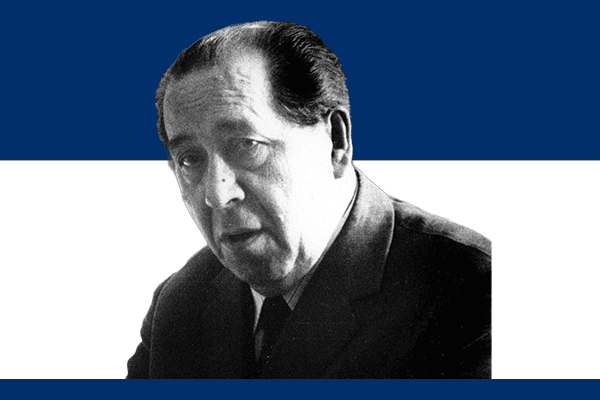
Early Life and Education
Rafael Paasio was born on June 3, 1903, in Uskela, Finland. He grew up in a working-class family, which influenced his political beliefs and commitment to social equality. During his early years, Finland experienced political and economic challenges, and these conditions shaped his interest in public service.
Paasio studied hard and developed strong communication and leadership skills. Before entering national politics, he worked in journalism and local government. His experiences helped him understand the concerns of ordinary citizens and prepared him for a future in political leadership.
Entry into Politics
Rafael Paasio joined the Social Democratic Party at a young age. He quickly gained recognition for his intelligence, calm personality, and ability to unite people. Instead of creating conflict, he focused on cooperation and practical solutions.
He served in the Finnish Parliament for many years and became one of the leading figures in the Social Democratic movement. During this period, Finland underwent rapid industrial and social change, and Paasio worked actively to improve workers’ rights, education, and public welfare.
Leadership of the Social Democratic Party
In 1963, Rafael Paasio became the chairman of the Social Democratic Party. Under his leadership, the party adopted a more moderate and cooperative political approach. He encouraged dialogue with other political parties and helped reduce tensions within Finnish politics.
Paasio believed that social democracy should balance economic growth with social justice. He supported reforms that improved healthcare, education, and employment opportunities. His leadership strengthened the popularity of the Social Democratic Party and increased its influence in Finnish politics.
Prime Minister of Finland
Rafael Paasio served as Prime Minister of Finland from 1966 to 1968 and again from 1972 to 1975. During his first term, he led a coalition government that introduced important social reforms. His administration expanded the welfare state and improved social security programs for Finnish citizens.
He also focused on economic stability and international cooperation. Finland maintained balanced relations with both Western countries and the Soviet Union during the Cold War era. Paasio supported peaceful diplomacy and worked to protect Finland’s independence and neutrality.
During his second term as prime minister, he continued promoting social reforms and economic development. His government addressed inflation, labor issues, and public services while maintaining political stability.
Political Style and Contributions
Rafael Paasio became known for his calm and practical leadership style. Rather than using aggressive political tactics, he preferred negotiation and compromise. This approach helped him build trust among political allies and opponents alike.
He strongly supported democratic values and social equality. His reforms improved living standards for many Finnish citizens, especially workers and low-income families. Through his policies, Finland developed a stronger welfare system and more inclusive society.
Paasio also contributed to Finland’s reputation as a stable and democratic nation. His ability to maintain cooperation during difficult political periods made him one of Finland’s respected political leaders.
Legacy
Rafael Paasio left a lasting impact on Finnish politics and society. His leadership strengthened the Social Democratic Party and helped modernize Finland’s welfare policies. Many of the reforms introduced during his time in office continued to benefit Finnish citizens for decades.
People remember him as a thoughtful leader who valued cooperation, democracy, and social justice. His contributions helped shape modern Finland and inspired future generations of political leaders.
Conclusion
Rafael Paasio played a vital role in Finland’s political development during the twentieth century. Through active leadership, social reforms, and democratic values, he improved the lives of many citizens and strengthened Finland’s political stability. His legacy continues to hold an important place in Finnish history.