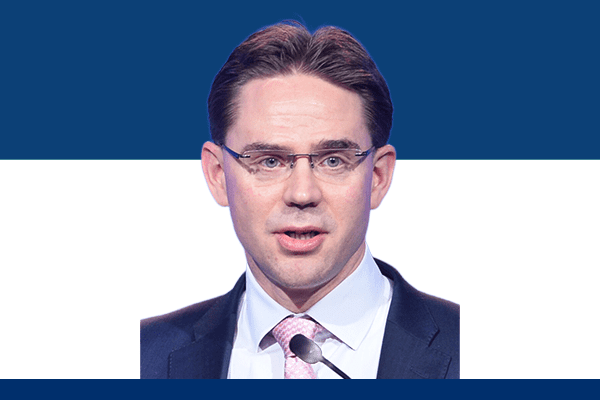
Early Life and Education
Jyrki Katainen was born on October 14, 1971, in Siilinjärvi, Finland. He grew up in a middle-class family and developed an interest in politics and public service at an early age. His father worked as an aircraft engineer, while his mother served as a teacher, inspiring him to value education and discipline.
Katainen studied political science at the University of Tampere. During his student years, he actively participated in youth political organizations and gained experience in leadership and public speaking. These early activities helped him build a strong foundation for his future political career.
Beginning of Political Career
Jyrki Katainen began his political journey with the National Coalition Party, one of Finland’s major political parties. He quickly gained recognition for his communication skills, practical ideas, and dedication to public welfare. In 1999, he won election to the Finnish Parliament, marking the beginning of his rise in national politics.
As a parliament member, Katainen focused on economic development, education, and European cooperation. He actively supported policies that encouraged innovation and responsible financial management. His energetic leadership style attracted public attention and strengthened his position within the party.
Leadership in the National Coalition Party
In 2004, Katainen became the leader of the National Coalition Party. Under his leadership, the party expanded its influence and gained strong support among Finnish voters. He modernized the party’s image and emphasized economic responsibility, employment opportunities, and social equality.
Katainen’s leadership skills helped the party achieve success in national elections. He encouraged cooperation among political groups and worked to create balanced policies that benefited both businesses and ordinary citizens.
Prime Minister of Finland
In 2011, Jyrki Katainen became the Prime Minister of Finland. During his term, Europe faced serious financial difficulties caused by the Eurozone debt crisis. Katainen actively worked to protect Finland’s economy and maintain financial stability.
He supported economic reforms, responsible budgeting, and international cooperation within the European Union. Instead of avoiding difficult decisions, Katainen introduced policies aimed at reducing government debt and improving economic competitiveness. Although some citizens criticized austerity measures, he remained committed to long-term economic stability.
As prime minister, Katainen also promoted education, technology, and environmental sustainability. He believed that innovation and skilled workers would strengthen Finland’s future economy. His government encouraged investments in research and clean energy projects.
Role in the European Union
After leaving the office of prime minister in 2014, Katainen joined the European Commission. He served as Vice-President of the European Commission and handled important responsibilities related to jobs, growth, investment, and competitiveness.
In this role, Katainen actively promoted economic development across Europe. He encouraged investment programs that supported businesses, infrastructure, and innovation. His work strengthened cooperation among European nations and contributed to economic recovery efforts.
Leadership Style and Legacy
Jyrki Katainen is widely recognized for his calm personality, diplomatic approach, and strong commitment to European unity. He consistently focused on practical solutions and encouraged cooperation between political groups.
His leadership left a lasting impact on Finnish politics and European economic policy. By promoting financial responsibility and innovation, he helped Finland navigate difficult economic challenges. His contributions to European cooperation also strengthened Finland’s position within the European Union.
Conclusion
Jyrki Katainen remains an important figure in Finnish and European politics. Through active leadership, economic reforms, and international cooperation, he influenced major political and financial decisions during a critical period in Europe. His dedication to public service and modernization continues to inspire political leaders and citizens alike.