Frederik VIII
Reign: 29 January 1906 – 14 May 1912
Home State: The Yellow Palace
Lifespan: 1843–1912
Country: Denmark
Image credits available here.
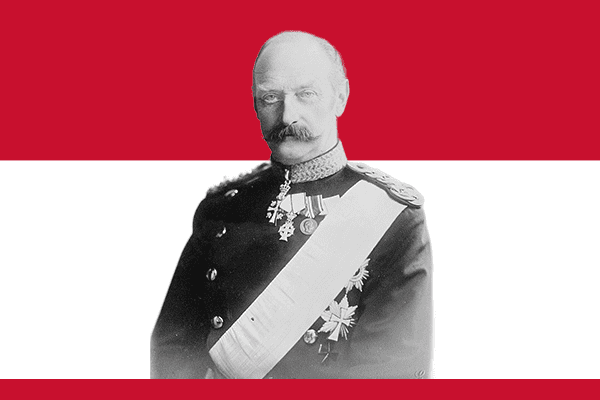
Early Life and Education
Frederik VIII was born on June 3, 1843, in Copenhagen, Denmark. He was the eldest son of King Christian IX and Queen Louise. Since he belonged to the royal family, he received excellent education and military training from an early age. His parents encouraged him to study politics, history, languages, and international affairs.
As a young prince, Frederik showed great interest in liberal reforms and democratic governance. Unlike many royal figures of his time, he openly supported constitutional principles. He also traveled across Europe to learn about different political systems and cultures. These experiences shaped his modern outlook and prepared him for future responsibilities.
Marriage and Family Life
In 1869, Frederik married Princess Lovisa of Sweden. Their marriage strengthened the relationship between Denmark and Sweden. The royal couple shared a strong bond and raised eight children together.
Among their children was Christian X, who later became King of Denmark. Frederik focused on creating a close and stable family environment. He balanced royal duties with personal responsibilities and remained devoted to his wife and children throughout his life.
Becoming King of Denmark
Frederik VIII became King of Denmark in 1906 after the death of his father, King Christian IX. By the time he ascended the throne, he had already spent many years preparing for leadership. His father’s long reign delayed his opportunity to rule, but Frederik used those years wisely to gain political knowledge and experience.
As king, Frederik supported constitutional monarchy and respected the authority of Parliament. Instead of interfering in politics, he encouraged cooperation between the monarchy and democratic institutions. His leadership style reflected moderation, wisdom, and respect for public opinion.
Contributions and Leadership
During his reign, Frederik VIII promoted modernization and social progress in Denmark. He supported economic development, education, and improvements in public welfare. He believed that the monarchy should serve the people and adapt to changing times.
Frederik also worked to strengthen Denmark’s international relationships. He maintained friendly connections with European royal families and promoted peace and diplomacy. His diplomatic efforts increased Denmark’s reputation as a stable and progressive nation.
The king actively participated in public events and maintained close contact with citizens. He valued communication and showed genuine concern for national issues. His approachable personality helped the monarchy remain respected during a period of political and social change.
Challenges During His Reign
Frederik VIII ruled during a time when Europe experienced rapid industrialization and political transformation. Democratic movements challenged traditional monarchies across the continent. However, Frederik adapted successfully to these changes by supporting constitutional governance rather than resisting reform.
He understood that modernization would strengthen the monarchy instead of weaken it. Through cooperation and openness, he preserved stability in Denmark while many European countries faced political unrest.
Death and Legacy
King Frederik VIII died on May 14, 1912, in Hamburg, Germany, while returning from a trip. His sudden death shocked the Danish people and saddened many across Europe. After his death, his son Christian X succeeded him as king.
Although Frederik VIII ruled for only six years, he left a lasting impact on Denmark. He promoted democratic ideals, modernized the monarchy, and strengthened Denmark’s international standing. Historians remember him as a thoughtful and progressive ruler who valued public service above personal power.
Conclusion
King Frederik VIII played an important role in shaping modern Denmark. Through liberal ideas, diplomatic leadership, and support for constitutional monarchy, he guided Denmark during a period of change and progress. His reign demonstrated how a monarch could remain relevant by embracing democracy and serving the people with dedication and wisdom.