Christian X
Reign: 14 May 1912 – 20 April 1947
Home State: Charlottenlund Palace
Lifespan: 1870–1947
Country: Denmark
Image credits available here.
Early Life and Education
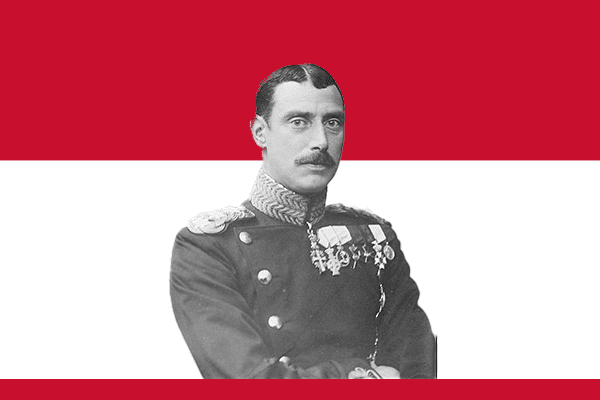
Christian X was born on September 26, 1870, at Charlottenlund Palace near Copenhagen. He was the eldest son of Crown Prince Frederick and Crown Princess Louise. As a young prince, Christian received a disciplined education that focused on military training, leadership, and public service.
He studied at military academies and developed a strong interest in Danish traditions and national identity. Unlike many royals of his time, he preferred a simple and active lifestyle. He enjoyed horseback riding and military activities, which later became an important part of his public image.
Becoming King
In 1912, Christian X became King of Denmark after the death of his father, King Frederick VIII. He took the throne during a period of political and social change in Europe. Denmark was moving toward a more democratic system, and the king had to adapt to constitutional limits on royal power.
Although he respected the constitution, Christian X sometimes expressed strong opinions about national issues. One major political crisis occurred in 1920 during the Easter Crisis, when he dismissed the Danish government over disagreements concerning the Schleswig region. Public protests followed, and the king eventually accepted democratic principles more fully. This event strengthened Denmark’s parliamentary democracy.
Role During World War II
Christian X became internationally famous during World War II. In 1940, Nazi Germany occupied Denmark. Despite the occupation, the king chose to remain in the country and stand with his people. Instead of fleeing, he continued his daily horseback rides through Copenhagen without heavy security. These rides became powerful symbols of Danish unity and resistance.
The king encouraged citizens to remain calm and dignified during the difficult years of occupation. His actions inspired national pride and strengthened morale among the Danish people. Although Denmark faced many challenges, Christian X represented stability and hope.
Many stories about his bravery spread across Europe. One popular legend claimed that he planned to wear the Star of David if the Nazis forced Danish Jews to wear it. While historians debate the accuracy of this story, it reflected the deep respect people had for him and Denmark’s efforts to protect Jewish citizens during the war.
Personal Life
Christian X married Alexandrine of Mecklenburg-Schwerin in 1898. Their marriage remained strong throughout his life, and they had two sons, Frederick IX and Prince Knud. The royal family maintained close ties with Danish society and supported charitable and national causes.
Christian X valued discipline, honesty, and public service. He often appeared among ordinary people and avoided unnecessary luxury. His simple lifestyle increased his popularity among Danish citizens.
Legacy and Historical Importance
King Christian X played an important role in Danish history. He guided the monarchy through political reforms, international conflicts, and social changes. His courage during World War II made him a lasting symbol of national resistance and patriotism.
Historians remember him as a determined and active monarch who defended Danish identity during difficult times. His leadership strengthened the relationship between the monarchy and the Danish people. Even after his death in 1947, many citizens continued to admire his dedication and bravery.
Conclusion
King Christian X remains one of Denmark’s most respected monarchs. Through strong leadership, personal courage, and dedication to his people, he helped Denmark overcome major historical challenges. His reign demonstrated how a constitutional monarch could inspire unity and national pride during times of crisis.