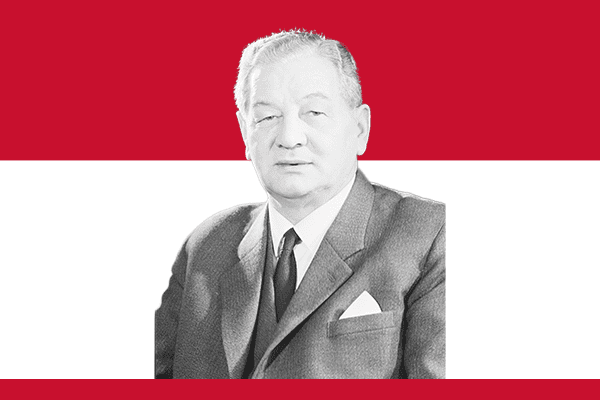
Early Life and Education
Erik Eriksen was born on November 20, 1902, in Brangstrup, Denmark. He grew up in a farming family, which strongly influenced his political ideas and interest in agricultural reforms. From an early age, he learned the importance of hard work, discipline, and community cooperation.
Although he did not pursue a highly academic career, he gained practical knowledge through farming and local administration. His understanding of rural life later helped him connect with ordinary citizens, especially farmers and workers. Eriksen actively participated in local politics and gradually built his reputation as a responsible and honest leader.
Political Career
Erik Eriksen joined the Liberal Party of Denmark, also known as Venstre. He quickly gained popularity because of his practical thinking and leadership abilities. During the difficult years after World War II, Denmark needed leaders who could rebuild the economy and strengthen democratic institutions.
Eriksen entered the Danish Parliament and worked on policies related to agriculture, trade, and economic development. He strongly supported cooperation between political parties and encouraged balanced decision-making. His commitment to national progress helped him rise within the party leadership.
Prime Minister of Denmark
In 1950, Erik Eriksen became the Prime Minister of Denmark. During his time in office, he focused on economic stability and modernization. He encouraged industrial growth while also protecting the interests of farmers and rural communities.
One of his major achievements involved constitutional reform. Under his leadership, Denmark introduced changes to its constitution in 1953. These reforms modernized the Danish political system and improved democratic representation. The reforms also allowed women to inherit the throne, which later made Queen Margrethe II the heir to the Danish monarchy.
Eriksen worked hard to strengthen Denmark’s position in Europe and international organizations. He supported cooperation with Western countries and promoted peace and stability during the Cold War period. Instead of creating conflicts, he preferred negotiation and compromise in politics.
Leadership Style
Erik Eriksen led with calmness and practicality. He listened carefully to different opinions and tried to unite people through cooperation. Rather than seeking personal fame, he concentrated on solving national problems and improving public welfare.
His farming background made him humble and approachable. Citizens appreciated his straightforward communication style and honest leadership. He believed that politicians should serve the people with responsibility and integrity.
Challenges During His Leadership
Like many leaders of the postwar period, Erik Eriksen faced economic and political challenges. Denmark experienced debates over economic reforms, taxation, and welfare policies. Political competition among parties also created difficulties for coalition governments.
Despite these challenges, Eriksen maintained stability and continued working toward national development. His ability to negotiate with different political groups helped Denmark avoid major political crises during his leadership.
Later Life and Legacy
After leaving the office of Prime Minister in 1953, Erik Eriksen remained active in Danish politics for several years. He continued contributing to public discussions and supporting democratic values. Even after retiring from major political roles, people remembered him as a dedicated statesman.
Erik Eriksen died on October 7, 1972. His contributions to Denmark’s constitutional reforms and democratic development remain significant in Danish history. Historians often recognize him as a practical and moderate leader who guided Denmark during an important transitional period.
Conclusion
Erik Eriksen played a crucial role in modern Danish politics. Through active leadership, constitutional reforms, and economic policies, he helped strengthen Denmark’s democracy and national stability. His honest personality, cooperative approach, and dedication to public service continue to inspire political leaders today.