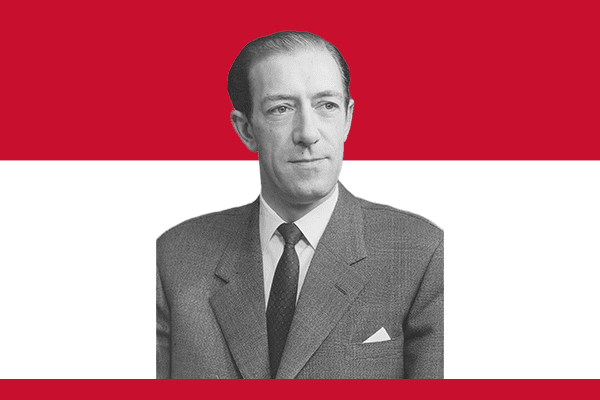
Early Life and Education
Hilmar Baunsgaard was born on February 26, 1920, in Slagelse, Denmark. He grew up in a middle-class family and developed a strong interest in public affairs during his youth. He completed his education in Denmark and later worked in the business sector. His experiences in business helped him understand economic management and public administration.
From an early age, Baunsgaard showed leadership qualities and a desire to contribute to society. He actively participated in community activities and developed a reputation as a thoughtful and practical individual.
Entry into Politics
Hilmar Baunsgaard joined the Danish Social Liberal Party, also known as the Radikale Venstre Party. He quickly gained recognition for his communication skills and balanced political views. Instead of focusing on extreme political positions, he supported moderate and practical solutions.
In 1957, he entered the Danish Parliament. During his early political career, he worked on policies related to trade, finance, and social welfare. His ability to cooperate with different political groups helped him rise within the party ranks.
Leadership of the Social Liberal Party
In 1964, Baunsgaard became the leader of the Danish Social Liberal Party. Under his leadership, the party promoted social reforms, educational improvements, and economic stability. He believed that cooperation among political parties could create effective governance.
Baunsgaard encouraged progressive ideas while maintaining economic responsibility. His speeches often focused on democracy, equality, and the importance of civic participation. Through his leadership, the party gained greater influence in Danish politics.
Prime Minister of Denmark
In 1968, Hilmar Baunsgaard became the Prime Minister of Denmark after forming a coalition government with conservative and liberal parties. His government introduced several reforms aimed at modernizing Danish society.
One of his major achievements involved reducing certain taxes and improving economic management. He also supported educational development and administrative reforms. Instead of creating political conflict, Baunsgaard focused on negotiation and consensus-building.
During his term, Denmark experienced social changes influenced by global cultural movements of the late 1960s. Baunsgaard responded to these developments with a balanced and democratic approach. He encouraged open discussion and respected different viewpoints.
Political Style and Contributions
Hilmar Baunsgaard earned respect for his calm personality and cooperative leadership style. He believed that politicians should work together for the benefit of the nation. His approach strengthened Denmark’s democratic traditions and parliamentary cooperation.
He also supported Denmark’s international relationships and promoted European cooperation. Through diplomacy and constructive dialogue, he helped maintain Denmark’s positive reputation abroad.
Baunsgaard’s leadership demonstrated that compromise and mutual respect could produce stable governance. Many people admired his honesty, intelligence, and dedication to public service.
Later Life and Legacy
After leaving office in 1971, Baunsgaard remained active in political and public discussions. Although he no longer served as prime minister, his influence on Danish politics continued. He inspired future leaders through his moderate and cooperative approach.
Hilmar Baunsgaard passed away on June 30, 1989. Denmark remembers him as a thoughtful statesman who valued democracy, reform, and national unity. His leadership style continues to serve as an example of responsible and respectful politics.
Conclusion
Hilmar Baunsgaard made significant contributions to Danish politics through his leadership, reforms, and commitment to democracy. As Prime Minister of Denmark, he promoted cooperation, economic stability, and social progress. His legacy remains important in Danish political history because he demonstrated the value of dialogue, compromise, and public service.