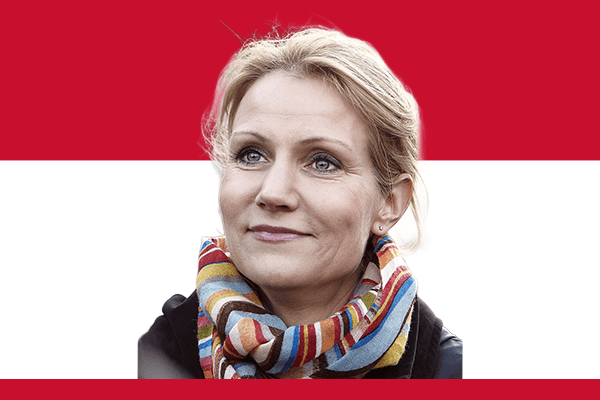
Helle Thorning-Schmidt
In Office: 3 October 2011 – 28 June 2015
Political Party: Social Democrats
Home State: Copenhagen
Lifespan: born 1966
Country: Denmark
Image credits available here.
Early Life and Education
Helle Thorning-Schmidt was born on December 14, 1966, in Copenhagen, Denmark. She grew up in a politically aware family that encouraged education and public service. From an early age, she showed interest in social issues and leadership.
She studied political science at the University of Copenhagen and later earned a master’s degree in European studies from the College of Europe in Belgium. Her education strengthened her understanding of international relations, governance, and European politics. Instead of limiting herself to academics, she actively participated in discussions about democracy and public policy.
Beginning of Political Career
Helle Thorning-Schmidt joined the Social Democrats, one of Denmark’s major political parties. She quickly gained recognition for her communication skills and strong political vision. During the 1990s, she worked in the European Parliament, where she focused on labor rights, social equality, and European cooperation.
Her dedication and leadership abilities helped her rise within the party. In 2005, she became the leader of the Social Democrats. She worked hard to rebuild public trust in the party and strengthen its position in Danish politics. Through active campaigning and public engagement, she connected with voters across the country.
Becoming Prime Minister
In 2011, Helle Thorning-Schmidt achieved a historic victory when she became Denmark’s first female prime minister. Her election marked an important moment for gender equality in Danish politics. She led a center-left coalition government and focused on balancing economic growth with social welfare.
As prime minister, she introduced reforms aimed at improving employment, education, and healthcare. She encouraged businesses to create more jobs while also protecting workers’ rights. Instead of avoiding difficult decisions, she addressed economic challenges directly and worked to stabilize Denmark’s economy after the global financial crisis.
Leadership and Policies
Helle Thorning-Schmidt supported progressive policies throughout her leadership. She promoted equal opportunities for women and encouraged diversity in workplaces and public institutions. Her government invested in education and innovation to prepare Denmark for future economic challenges.
She also played an active role in international affairs. She strengthened Denmark’s relationship with the European Union and supported cooperation on issues such as climate change, trade, and security. Her diplomatic approach earned respect from leaders across Europe.
During her term, she faced criticism from political opponents and sections of the public regarding tax policies and welfare reforms. However, she continued to defend her decisions and remained committed to long-term national development.
Life After Politics
After leaving office in 2015, Helle Thorning-Schmidt continued contributing to global causes. She became involved in humanitarian and international organizations, focusing on children’s rights, education, and social development.
She later served as the Chief Executive Officer of Save the Children International. In this role, she actively advocated for vulnerable children worldwide and promoted access to education, healthcare, and safety. Her work demonstrated that her commitment to public service extended beyond national politics.
Legacy and Importance
Helle Thorning-Schmidt remains an influential figure in Danish and international politics. As Denmark’s first female prime minister, she inspired many women to pursue leadership roles in government and public life. Her career highlights determination, resilience, and progressive leadership.
She modernized the Social Democratic Party and strengthened Denmark’s presence in international discussions. Through her active leadership style, she balanced social welfare with economic responsibility and encouraged cooperation at both national and global levels.
Conclusion
Helle Thorning-Schmidt’s political journey reflects dedication, courage, and leadership. From her early years in Copenhagen to her role as prime minister and international humanitarian leader, she has made significant contributions to society. Her achievements continue to inspire future generations of leaders around the world.