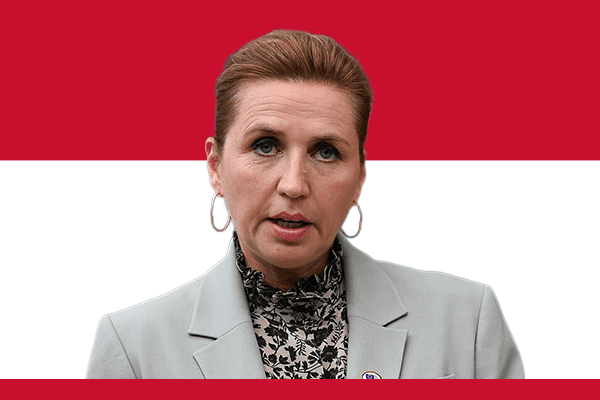
Early Life and Education
Mette Frederiksen was born on November 19, 1977, in Aalborg, Denmark. She grew up in a middle-class family where public service and social responsibility were highly valued. Her father worked as a typographer, while her mother was a teacher. These influences shaped her interest in politics and social equality from a young age.
She attended Aalborg University, where she studied administration and social science. During her student years, she actively participated in youth political activities and developed a passion for public policy. Her early involvement in politics helped her gain confidence and experience in leadership.
Entry into Politics
Frederiksen joined the Social Democrats, one of Denmark’s major political parties, during her youth. In 2001, she won election to the Danish Parliament at only 24 years old. Her strong communication skills and clear political vision quickly earned her recognition within the party.
She worked on issues related to labor rights, education, and social welfare. Rather than remaining in the background, she actively contributed to national debates and policy discussions. Her dedication and political talent helped her rise steadily through the ranks of Danish politics.
Leadership in Government
In 2011, Frederiksen became Denmark’s Minister of Employment under Prime Minister Helle Thorning-Schmidt. She introduced labor reforms and worked to improve employment opportunities across the country. Later, she served as Minister of Justice, where she focused on public safety and legal reforms.
In 2015, she became the leader of the Social Democratic Party. She strengthened the party’s position by promoting policies that balanced economic growth with social welfare. Her leadership attracted support from both working-class voters and younger generations.
Prime Minister of Denmark
After the 2019 general election, Mette Frederiksen became Prime Minister of Denmark. She formed a center-left government and emphasized climate protection, healthcare improvements, and stronger welfare programs. She also addressed immigration policies with a firm yet balanced approach.
During the COVID-19 pandemic, Frederiksen took decisive action to protect public health. She implemented lockdowns, promoted vaccination programs, and communicated regularly with citizens. Many people praised her quick response and leadership during the crisis.
She has also played an important role in international politics by supporting European cooperation, human rights, and sustainable development. Her government continues to work on reducing carbon emissions and strengthening Denmark’s green economy.
Political Style and Vision
Frederiksen is known for her direct communication style and practical approach to governance. She focuses on protecting the welfare state while adapting Denmark to modern economic and environmental challenges. Instead of avoiding difficult issues, she openly discusses national concerns and seeks workable solutions.
She strongly supports gender equality and encourages greater participation of women in leadership roles. Her political vision centers on creating a fair and secure society where citizens have access to quality healthcare, education, and employment opportunities.
Legacy and Influence
Mette Frederiksen has already made a significant impact on Danish politics. As one of Europe’s younger national leaders, she represents a new generation of politicians who combine progressive values with strong administrative leadership.
Her ability to lead during challenging times has strengthened her reputation both in Denmark and internationally. Through active policymaking and consistent public engagement, she continues to shape Denmark’s future and inspire many young political leaders around the world.
Conclusion
Mette Frederiksen remains an influential and respected leader in Denmark. Her commitment to social welfare, environmental protection, and effective governance has defined her political career. By taking active leadership roles and addressing modern challenges directly, she has established herself as a key figure in contemporary European politics.