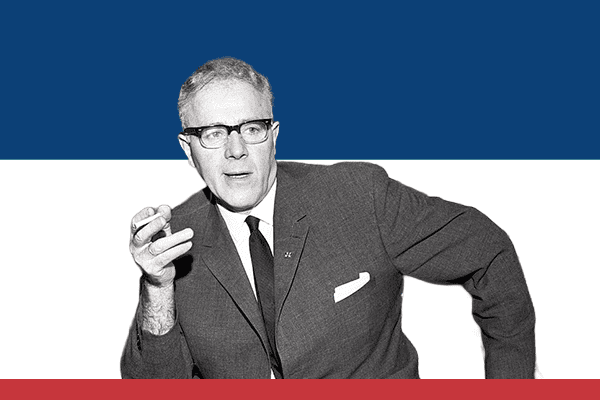
Early Life and Education
Per Borten was born on April 3, 1913, in Flå, Sør-Trøndelag, Norway. He grew up in a farming family, and his rural background influenced his political beliefs throughout his life. Instead of moving away from agricultural traditions, he embraced them and developed a deep understanding of the challenges faced by farmers and rural citizens.
He attended agricultural school and later managed the family farm. Through his experiences as a farmer, he gained practical knowledge about economics, trade, and rural development. These experiences later helped him connect with ordinary citizens and represent their concerns in politics.
Beginning of Political Career
Per Borten entered politics through the Centre Party, which focused on protecting farmers’ rights and promoting balanced regional development. He quickly earned respect because of his clear opinions, strong leadership skills, and honest communication style.
In 1945, he became a member of the Norwegian Parliament. During his early years in politics, he actively supported agricultural reforms and rural investment. He also defended Norway’s independence in economic and political matters. His dedication helped him rise within the Centre Party, and he eventually became the party leader in 1955.
Prime Minister of Norway
In 1965, Per Borten became Prime Minister after leading a coalition government formed by four non-socialist parties. His victory ended many years of Labour Party dominance in Norway. As prime minister, he focused on economic growth, infrastructure development, and stronger cooperation among democratic parties.
Borten encouraged modernization while also protecting traditional Norwegian industries. He supported the development of roads, communication systems, and rural services to improve living standards across the country. Instead of concentrating only on urban areas, he promoted equal opportunities for people living in villages and smaller communities.
During his leadership, Norway experienced social and economic progress. His government also strengthened relations with other European nations while carefully protecting Norwegian independence.
Opposition to European Community Membership
One of the most significant aspects of Per Borten’s political career was his opposition to Norway joining the European Economic Community (EEC), which later became the European Union. He believed Norway should maintain control over its natural resources, agriculture, and national policies.
Borten openly expressed his concerns about foreign influence over Norwegian decision-making. His strong views created political debates within the government and the country. Although many leaders supported EEC membership, Borten defended Norway’s sovereignty and encouraged public discussion about the issue.
His disagreements over European membership eventually contributed to the collapse of his government in 1971. Despite this political setback, many people admired his honesty and determination.
Leadership Style and Personality
Per Borten became known for his straightforward and independent leadership style. He communicated directly with citizens and often preferred practical solutions over complicated political strategies. His rural background helped him stay connected to ordinary people.
He valued democracy, free speech, and national unity. Rather than seeking personal power, he focused on serving the public and protecting Norwegian interests. His speeches and public appearances reflected confidence, simplicity, and patriotism.
Legacy and Historical Importance
Per Borten left a lasting impact on Norwegian politics. He strengthened the Centre Party and proved that coalition governments could successfully lead the country. His leadership also influenced future debates about Norway’s relationship with Europe.
Many historians remember him as a principled leader who defended national independence and rural communities. His contributions to economic development, agriculture, and democracy continue to shape Norwegian political discussions today.
Conclusion
Per Borten played a significant role in Norway’s political history through his leadership, strong values, and dedication to national sovereignty. As prime minister, he promoted development, democracy, and equal opportunities for all citizens. His commitment to protecting Norway’s independence and supporting rural communities made him one of the country’s most respected political leaders.