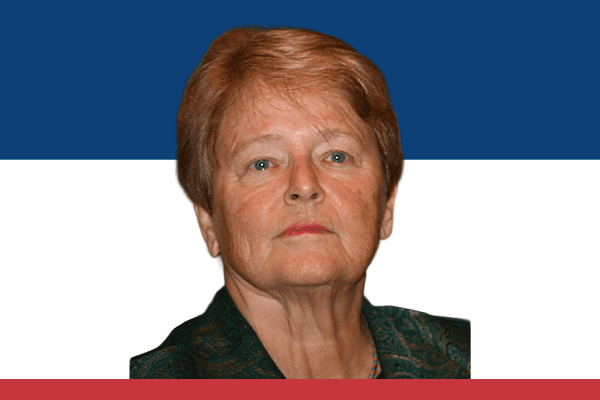
Early Life and Education
Gro Harlem Brundtland was born on April 20, 1939, in Oslo, Norway. She grew up in a politically active family that encouraged education and social responsibility. Her father, Gudmund Harlem, worked as a government minister and inspired her interest in public service.
She studied medicine at the University of Oslo and later earned a Master of Public Health degree from Harvard University. Instead of limiting herself to medical practice, she combined her medical knowledge with political activism to improve society. Her education shaped her understanding of healthcare, equality, and environmental issues.
Entry into Politics
Gro Harlem Brundtland joined the Norwegian Labour Party at a young age. She quickly gained recognition because of her intelligence, determination, and leadership abilities. In 1974, she became Norway’s Minister of the Environment. During this role, she strongly supported environmental conservation and sustainable policies.
Her active approach to environmental issues distinguished her from many leaders of her time. She promoted laws and programs that balanced economic growth with environmental protection. These efforts prepared her for greater political responsibilities.
Prime Minister of Norway
In 1981, Gro Harlem Brundtland became the first female Prime Minister of Norway. Her election marked a historic moment in Norwegian politics. She led the country with confidence and introduced policies that strengthened healthcare, education, and social welfare.
She served as Prime Minister for three terms: 1981, 1986–1989, and 1990–1996. During her leadership, she encouraged gender equality and appointed many women to important government positions. People often called her cabinet the “women’s government” because of its strong female representation.
Brundtland focused on improving living standards and modernizing Norway’s economy. She promoted cooperation among political groups and worked to create a stable and prosperous society.
International Leadership and Environmental Work
Gro Harlem Brundtland gained international recognition through her work on sustainable development. In 1983, the United Nations appointed her chairperson of the World Commission on Environment and Development. Under her leadership, the commission published the famous Brundtland Report in 1987.
The report introduced the concept of “sustainable development,” which means meeting present needs without harming future generations. This idea transformed global discussions about environmental protection and economic progress.
She later served as the Director-General of the World Health Organization (WHO) from 1998 to 2003. During her leadership, she strengthened international health programs and actively fought against diseases such as malaria and tobacco-related illnesses.
Leadership Style and Achievements
Gro Harlem Brundtland demonstrated a practical and energetic leadership style. She addressed complex issues with confidence and encouraged cooperation between nations. Her ability to combine science, politics, and social welfare made her an influential global figure.
She received many international awards and honors for her work in politics, health, and environmental protection. Many world leaders admired her commitment to equality, sustainability, and human welfare.
Legacy and Influence
Gro Harlem Brundtland’s legacy continues to influence global policies on sustainability and public health. She inspired women worldwide to pursue leadership roles in politics and public service. Her ideas about sustainable development remain central to international environmental discussions.
Rather than focusing only on national politics, she worked to improve global cooperation and protect future generations. Her leadership helped shape modern environmental and health policies across the world.
Conclusion
Gro Harlem Brundtland remains one of the most respected political leaders in modern history. Through active leadership, environmental advocacy, and dedication to public welfare, she transformed both Norway and international politics. Her contributions continue to inspire people to build a healthier, fairer, and more sustainable world.