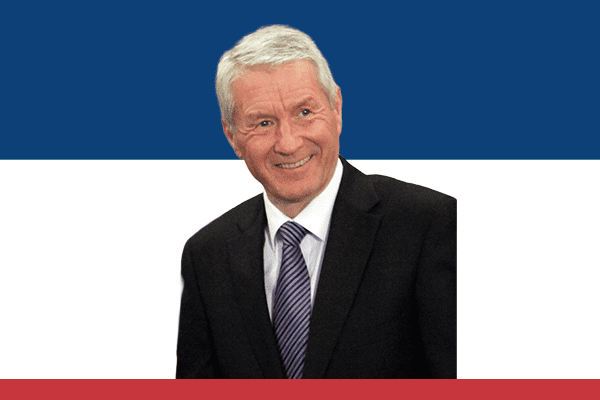
Early Life and Education
Thorbjørn Jagland was born on November 5, 1950, in Drammen, Norway. He grew up in a politically aware family that encouraged public service and social responsibility. From a young age, he showed a strong interest in politics and international affairs.
He completed his education in economics and political studies, which helped him understand government systems and social policies. During his student years, he actively participated in political discussions and youth activities. These experiences shaped his future political career and strengthened his commitment to democratic values.
Entry into Politics
Jagland joined the Norwegian Labour Party at a young age and quickly became an influential member. His dedication, communication skills, and leadership qualities helped him rise within the party organization. Instead of remaining in local politics, he worked hard to gain national recognition.
In the 1980s and 1990s, Jagland served in several important political roles. He focused on social welfare, equality, and economic development. His active involvement in policymaking increased his popularity among party members and citizens.
Prime Minister of Norway
In 1996, Thorbjørn Jagland became the Prime Minister of Norway. During his tenure, he emphasized economic stability, social justice, and international cooperation. He worked to strengthen Norway’s position in global diplomacy while maintaining strong welfare policies at home.
Although his government served for a relatively short period, Jagland demonstrated strong leadership and determination. He addressed national challenges directly and promoted progressive political ideas. His government supported education, employment opportunities, and sustainable development.
International Leadership
After serving as Prime Minister, Jagland continued to play an active role in international politics. He later became the Secretary General of the Council of Europe in 2009. In this position, he strongly defended democracy, freedom of speech, and human rights across Europe.
Jagland worked closely with European leaders to address political conflicts and human rights issues. Instead of avoiding difficult discussions, he encouraged dialogue and cooperation among nations. His efforts strengthened the role of the Council of Europe as an important international institution.
Chairman of the Nobel Committee
Thorbjørn Jagland also served as the Chairman of the Norwegian Nobel Committee. In this role, he participated in selecting Nobel Peace Prize winners who contributed to global peace and humanitarian efforts. His leadership brought international attention to important social and political causes.
Under his chairmanship, the Nobel Committee honored individuals and organizations working for peace, democracy, and justice. Jagland actively defended the importance of the Nobel Peace Prize and its role in encouraging positive global change.
Contributions and Legacy
Throughout his career, Jagland consistently promoted democratic principles and human rights. He encouraged international cooperation and peaceful conflict resolution. His leadership style combined diplomacy, intelligence, and determination.
Many people admire Jagland for his commitment to public service and global peace. He influenced European politics through his work in Norway and international organizations. His speeches and policies reflected his belief in equality, justice, and democratic responsibility.
Conclusion
Thorbjørn Jagland remains an influential figure in modern European politics. Through active leadership and international diplomacy, he contributed significantly to democracy, peace, and human rights. His work as Prime Minister, Secretary General, and Nobel Committee Chairman demonstrates his dedication to creating a fairer and more peaceful world.