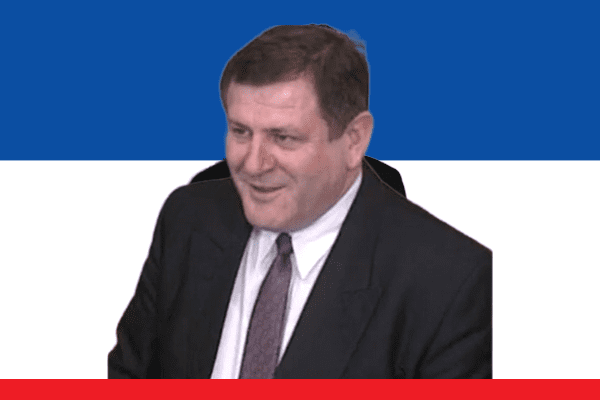
Early Life and Education
Vladimír Mečiar was born on July 26, 1942, in the town of Zvolen, which is now part of Slovakia. He grew up in a working-class family and developed an interest in public affairs at an early age. After completing his education, he studied law at Comenius University in Bratislava. His academic background helped him build a foundation for a future career in politics and public administration.
Entry into Politics
During the final years of communist rule in Czechoslovakia, Mečiar became involved in political activities. Following the 1989 Velvet Revolution, which brought democratic reforms to the country, he joined the political movement Public Against Violence. He quickly gained public attention because of his leadership skills and strong political views. In 1990, he became Slovakia’s Minister of the Interior and later rose to the position of Prime Minister of the Slovak Republic within the Czechoslovak federation.
Leadership During Slovak Independence
One of Mečiar’s most significant achievements was his role in the creation of an independent Slovakia. In 1992, he led the Movement for a Democratic Slovakia (HZDS) to electoral success. After negotiations with Czech political leaders, particularly Václav Klaus, Mečiar helped organize the peaceful division of Czechoslovakia into two separate countries: the Czech Republic and Slovakia.
On January 1, 1993, Slovakia officially became an independent nation. As Prime Minister, Mečiar guided the country during its first years of sovereignty and helped establish many of its political institutions.
Political Achievements
During his years in office, Mečiar focused on strengthening Slovakia’s national identity and promoting economic reforms. His government worked to develop state institutions and increase the country’s international recognition. Many Slovaks viewed him as a leader who defended national interests and supported greater political independence.
Mečiar served as Prime Minister three times: from 1990 to 1991, from 1992 to 1994, and from 1994 to 1998. These terms made him one of the most prominent political leaders in Slovak history.
Challenges and Criticism
Despite his popularity among many voters, Mečiar faced significant criticism. Political opponents and international observers often challenged his leadership style and raised concerns about democratic practices during his administration. These debates became an important part of Slovak political life throughout the 1990s.
His government also encountered economic and political difficulties as Slovakia adapted to independence and market reforms. The disagreements surrounding his leadership continued even after he left office.
Later Political Career
After leaving the prime minister’s office in 1998, Mečiar remained active in politics for several years. He participated in presidential elections and continued to lead his political party. Although his influence gradually declined, he remained a recognizable figure in Slovak public life.
Over time, Slovakia moved toward closer integration with European institutions and continued its democratic development. Historians and political analysts still study Mečiar’s role in shaping the country’s early years as an independent state.
Conclusion
Vladimír Mečiar occupies a unique place in Slovak history. He helped lead Slovakia through the transition from a federal republic to an independent nation and influenced the country’s political development for nearly a decade. While opinions about his leadership differ, his impact on Slovakia’s history remains significant. His career demonstrates how individual leaders can shape the course of national development during times of major political change.