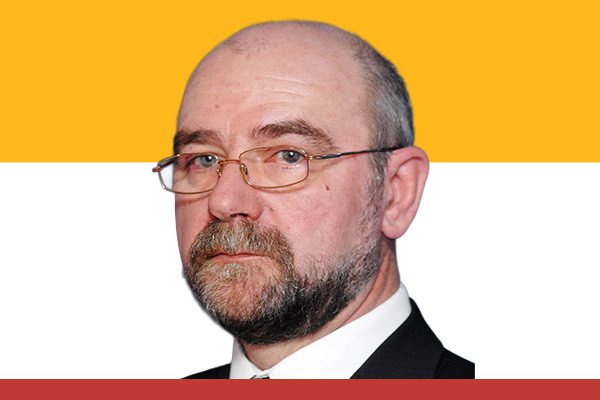
Early Life and Education
Aleksandras Abišala was born on 28 December 1955 in Inta, located in the Komi region of the former Russian Soviet Federative Socialist Republic. His family belonged to the many Lithuanian families that Soviet authorities had deported during the Soviet era. Later, his family returned to Lithuania, where he grew up and received his education.
Abišala studied physics and mathematics and developed strong analytical and problem-solving skills. His academic background prepared him for a successful professional career and later helped him address complex political and economic challenges. Before entering politics, he worked in scientific research and engineering positions.
Role in the Lithuanian Independence Movement
During the late 1980s, Lithuania experienced a growing movement for freedom and national self-determination. Aleksandras Abišala became actively involved in the Sąjūdis movement, which advocated democratic reforms and independence from the Soviet Union. He emerged as one of the leading figures of the movement in Kaunas and contributed to efforts that united citizens around the goal of national independence.
In 1990, voters elected Abišala to the Supreme Council of Lithuania. He became one of the signatories of the historic Act of the Re-Establishment of the State of Lithuania on 11 March 1990. This declaration restored Lithuania’s independence and marked a turning point in the nation’s history.
Prime Minister of Lithuania
Aleksandras Abišala served as Prime Minister of Lithuania from 21 July 1992 until December 1992. He took office during a challenging period marked by economic difficulties, political transformation, and the need to establish effective state institutions. His government focused on stabilizing the economy and supporting Lithuania’s transition to a market-based system.
Although his term lasted only a few months, Abišala guided the government through important reforms. He worked with ministers and policymakers to strengthen the country’s independence and improve governance. His administration faced difficult decisions involving public spending, economic restructuring, and national development.
Career After Politics
After leaving high-level political office, Abišala shifted his focus toward business and consulting. He used his experience in leadership and public administration to advise companies and organizations. In 2007, he founded a business consulting firm and continued contributing to Lithuania’s economic development through private-sector initiatives.
Despite reducing his involvement in day-to-day politics, he remained a respected public figure. Government institutions and policy groups often sought his expertise on strategic reforms and national development issues.
Legacy and Impact
Aleksandras Abišala holds a significant place in Lithuanian history. His participation in the independence movement, his signature on the declaration restoring Lithuania’s independence, and his service as Prime Minister demonstrate his commitment to public service. Historians and political observers recognize him as one of the leaders who helped guide Lithuania through a critical period of transformation.
Today, many Lithuanians remember Abišala for his practical leadership, intellectual approach, and dedication to democratic values. His contributions continue to influence discussions about governance, economic reform, and national development in Lithuania.
Conclusion
Aleksandras Abišala’s life reflects dedication, leadership, and service to his country. From his role in the independence movement to his time as Prime Minister and later work as a business consultant, he has contributed significantly to Lithuania’s growth and success. His achievements remain an important part of Lithuania’s modern political history.