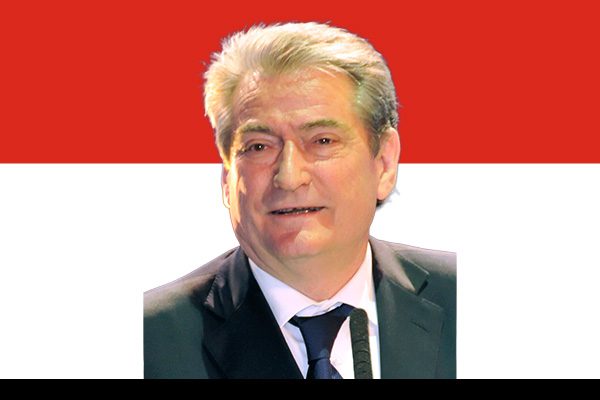
Early Life and Education
Sali Berisha was born on October 15, 1944, in Viçidol, Tropojë, Albania. He studied medicine at the University of Tirana and became a respected cardiologist. Before entering politics, he worked as a doctor and university professor. His medical background helped him earn respect for his knowledge and professionalism. As political changes swept across Eastern Europe in the late 1980s, he became increasingly involved in public life.
Entry into Politics
In 1990, Berisha joined the movement that demanded democracy and an end to communist rule in Albania. He became one of the founding members of the Democratic Party of Albania, the country’s first major opposition party. His speeches and leadership inspired many Albanians who wanted political freedom, human rights, and democratic reforms. His popularity quickly grew, making him one of the leading voices for change.
Presidency of Albania
In 1992, Sali Berisha became the President of Albania after the Democratic Party won the general election. During his presidency, he promoted democratic reforms, encouraged private businesses, and supported closer relations with Western countries. His government introduced economic changes that aimed to transform Albania into a market-based economy.
However, Albania also faced serious challenges. The collapse of fraudulent pyramid investment schemes in 1997 caused widespread unrest and economic hardship. The crisis weakened public confidence and led to political instability. Following these events, Berisha’s party lost power, and he stepped down as president.
Return as Prime Minister
Despite his earlier political setback, Berisha remained active in politics. In 2005, he led the Democratic Party to victory and became the Prime Minister of Albania. During his second period in national leadership, his government invested in roads, infrastructure, education, and public services. Albania also strengthened its ties with international organizations.
One of the most important achievements of his administration came in 2009, when Albania officially joined the North Atlantic Treaty Organization (NATO). This milestone improved the country’s international standing and strengthened its security partnerships.
Challenges and Controversies
Berisha’s political career has not been free from criticism. Political opponents questioned several government decisions and accused his administration of corruption and misuse of power. Large public protests and political disagreements occurred during different periods of his leadership. These controversies created deep divisions within Albanian politics.
Even so, Berisha continued to influence national politics through his speeches, party leadership, and public engagement. His supporters praised his commitment to democratic reforms, while his critics argued that stronger governance and accountability were needed.
Legacy
Sali Berisha has left a lasting mark on Albania’s political history. He helped lead the country through a period of major political transformation and supported Albania’s integration with Western institutions. His leadership shaped important national policies and influenced the country’s democratic development.
Today, historians and political analysts continue to debate his legacy. Some recognize his role in ending communist rule and promoting democratic institutions, while others focus on the controversies that occurred during his years in office. Regardless of differing opinions, his influence on Albania’s modern political landscape remains undeniable.
Conclusion
Sali Berisha’s career reflects both the opportunities and challenges of leading a country through historic change. From his beginnings as a physician to his service as President and Prime Minister, he played a major role in shaping modern Albania. His achievements, leadership, and controversies ensure that he remains one of the most discussed figures in Albanian politics.