Early Life and Education
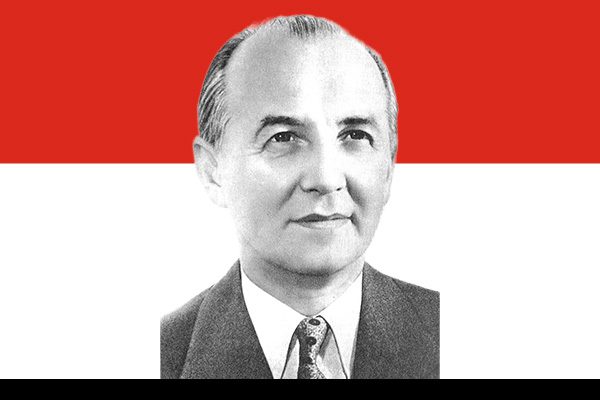
Ramiz Alia was born on October 18, 1925, in Shkodër. He grew up in a modest family and completed his early education in his hometown. During his youth, Albania faced political instability and foreign occupation during the Second World War. Inspired by communist ideals, Alia joined the Albanian Communist Youth Movement at an early age. His dedication and organizational skills quickly earned him recognition within the party.
After the war, Alia continued his political education and steadily rose through the ranks of the communist leadership. His loyalty to the ruling party and his administrative abilities made him one of the country’s most influential young politicians.
Rise in Politics
Ramiz Alia became a close associate of Enver Hoxha, who ruled Albania with strict authoritarian control for more than four decades. Alia held several important positions in the government and the ruling party, particularly in education, culture, and ideology. He supervised policies that promoted communist principles throughout Albanian society.
As one of Hoxha’s most trusted officials, Alia gained extensive political experience. Following Hoxha’s death in 1985, the ruling party selected Ramiz Alia as the new leader of Albania. He inherited a country facing serious economic problems, political isolation, and increasing public dissatisfaction.
Leadership and Reforms
Unlike his predecessor, Ramiz Alia recognized that Albania could no longer remain completely isolated from the rest of the world. He introduced limited economic and political reforms while trying to preserve the communist system. His government improved diplomatic relations with several countries and allowed greater cultural exchanges.
Although these reforms represented a significant change, many Albanians believed they were too slow. Citizens demanded free elections, freedom of speech, and greater economic opportunities. Student demonstrations and public protests grew stronger during the late 1980s and early 1990s.
Transition to Democracy
The collapse of communist governments across Eastern Europe placed additional pressure on Albania. Ramiz Alia eventually accepted the legalization of opposition political parties, ending the Communist Party’s monopoly on power. Multi-party elections were held, allowing citizens to choose among different political groups for the first time in decades.
Despite his efforts to guide a peaceful transition, the Communist Party gradually lost public support. Democratic reforms accelerated, and Albania officially began its transition toward democracy and a market-based economy. In 1992, Alia stepped down after opposition parties won national elections.
Later Life
After leaving office, Ramiz Alia faced legal challenges related to his role in the former communist government. Albanian authorities arrested and tried him on various charges, including abuse of power. He spent time in prison before eventually being released.
Following his release, Alia largely stayed away from active politics. He occasionally commented on historical events and defended some of his decisions while acknowledging that Albania needed change. He spent his later years writing memoirs and reflecting on the country’s political transformation.
Ramiz Alia died on October 7, 2011, in Tirana, just days before his eighty-sixth birthday.
Legacy
Ramiz Alia remains a controversial figure in Albanian history. Supporters argue that he helped ensure a relatively peaceful transition from communism to democracy compared with some other countries. Critics maintain that his reforms came too late and that he remained responsible for preserving an authoritarian political system for many years.
Historians generally view Alia as a transitional leader who faced enormous political and economic challenges during the final years of communist Albania. His leadership represents the bridge between the country’s isolated communist past and its modern democratic era.
Conclusion
Ramiz Alia occupies a unique place in Albanian history as the nation’s final communist leader and the first leader to oversee its democratic transition. His cautious reforms, political decisions, and willingness to allow multi-party elections shaped Albania‘s future. While opinions about his leadership remain divided, his role in guiding Albania through one of its most important historical transformations ensures that he remains a significant figure in the country’s political history.