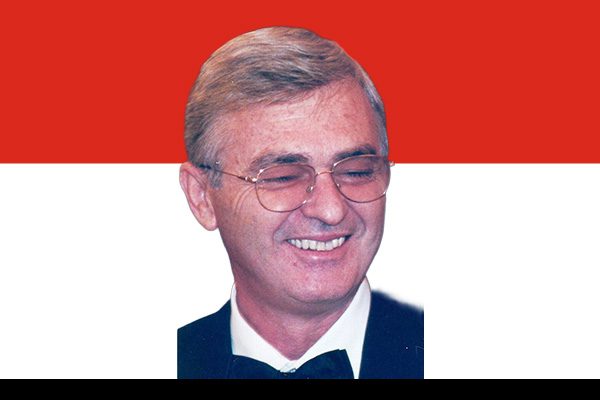
Early Life and Education
Sali Berisha was born on 15 October 1944 in the village of Viçidol, northern Albania. He came from a modest family and worked hard to achieve academic success. He studied medicine at the University of Tirana and specialized in cardiology. As a doctor and university lecturer, he gained respect for his professional skills before entering politics. His medical career helped him build a reputation for discipline, knowledge, and leadership.
Entry into Politics
In the early 1990s, Albania experienced major political changes as communist rule came to an end. Sali Berisha joined the democratic movement and became one of the founders of the Democratic Party of Albania. He actively promoted political freedom, democratic reforms, and a market-based economy. His speeches and leadership inspired many Albanians who wanted democratic change. As his popularity increased, he emerged as one of the country’s leading political figures.
President of Albania
In 1992, Albania elected Sali Berisha as its President after the Democratic Party won the national elections. During his presidency, he introduced economic reforms and encouraged private enterprise. He also strengthened Albania’s relationships with Western countries and supported democratic institutions. However, his presidency faced serious challenges, especially during the financial crisis of 1997. The collapse of nationwide pyramid investment schemes caused widespread unrest and political instability, leading to his resignation from the presidency.
Prime Minister and Reforms
After several years in opposition, Sali Berisha returned to power as Prime Minister in 2005. His government focused on improving infrastructure, reducing taxes, and attracting foreign investment. He promoted road construction, educational improvements, and public sector reforms. Under his leadership, Albania joined the North Atlantic Treaty Organization in 2009, marking a major milestone in the country’s international relations. He also supported Albania’s efforts to strengthen ties with the European Union and pursue future membership.
Challenges and Criticism
Like many long-serving political leaders, Berisha faced criticism throughout his career. Opponents accused his governments of corruption, political polarization, and weak institutional oversight. Several protests and political disputes occurred during his time in office. Supporters, however, argued that he helped modernize Albania, expanded infrastructure, and strengthened the country’s international position. These contrasting views continue to shape public debate about his political legacy.
Legacy
Sali Berisha has left a lasting mark on Albanian politics. He played an important role in ending communist rule and establishing democratic institutions. His leadership contributed to Albania’s economic reforms and closer cooperation with Western organizations. At the same time, his political career remains controversial because of the challenges and conflicts that occurred during his years in power. Even after leaving the highest offices, he has remained active in national politics and continues to influence public discussions and party leadership.
Conclusion
Sali Berisha’s career reflects the opportunities and challenges of Albania’s democratic journey. From his beginnings as a physician to his leadership as President and Prime Minister, he influenced many aspects of the nation’s development. His supporters recognize his contributions to democracy, economic reform, and international cooperation, while his critics question some of his policies and leadership style. Regardless of differing opinions, Sali Berisha remains one of the most significant political figures in Albania’s modern history, and his legacy continues to shape the country’s political landscape.