Mr. Kresimir Zubak
In Office: 5 October 1996 – 15 November 1998
Political Party: Croatian Democratic
Home State: Doboj
Lifespan: born 1947
Country: Bosnia and Herzegovina
Image credits available here.
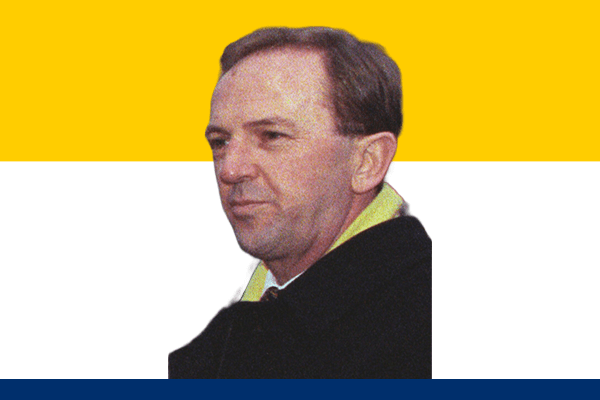
Early Life and Education
Krešimir Zubak was born on 29 September 1947 in the village of Ledinci, near Odžak. He completed his early education in his hometown before pursuing higher studies in law. After earning a law degree, he worked as a legal professional and gained valuable experience in public administration. His legal background equipped him with the knowledge and skills that later proved essential in his political career.
Political Career
Krešimir Zubak entered politics during a period of significant political and social change in Bosnia and Herzegovina. During the Bosnian War, he emerged as an influential representative of the Bosnian Croat community. In 1994, he became the President of the Federation of Bosnia and Herzegovina, a position in which he supported cooperation between Bosniaks and Croats following the signing of the Washington Agreement.
His commitment to reconciliation and peaceful coexistence earned him respect both domestically and internationally. He actively encouraged dialogue among political leaders and promoted policies designed to reduce ethnic tensions.
Role in the Presidency
Following the signing of the Dayton Peace Agreement in 1995, Krešimir Zubak became the Croat member of the collective Presidency of Bosnia and Herzegovina. He served from 1996 to 1998 during a crucial period of post-war reconstruction.
As a member of the Presidency, he focused on rebuilding state institutions, restoring public confidence, and encouraging cooperation among Bosnia and Herzegovina’s constituent peoples. He also worked closely with international organizations involved in implementing the peace agreement and supporting democratic reforms.
Leadership and Political Views
Krešimir Zubak has consistently advocated constitutional reform, equal rights for all citizens, and stronger democratic governance. Throughout his political journey, he emphasized dialogue over conflict and negotiation over confrontation. His moderate political approach distinguished him from many leaders during the post-war period.
He later established the New Croatian Initiative (NHI) after disagreements with the dominant Croat nationalist party. Through this political movement, he promoted moderation, interethnic cooperation, and democratic values.
Achievements
Several important achievements define Krešimir Zubak’s political legacy:
Promoted peaceful cooperation among Bosnia and Herzegovina’s ethnic communities.
Contributed to implementing the Dayton Peace Agreement.
Strengthened democratic institutions during the country’s post-war recovery.
Advocated constitutional reforms and equal political representation.
Encouraged political dialogue and national reconciliation.
Helped improve cooperation between domestic authorities and international organizations.
These accomplishments have secured his place as an influential figure in Bosnia and Herzegovina’s modern political history.
Legacy
Krešimir Zubak is remembered as a pragmatic and moderate political leader who consistently sought peaceful solutions to complex political challenges. His dedication to democracy, constitutional governance, and reconciliation has earned him recognition across political and ethnic lines. Although Bosnia and Herzegovina continues to face political challenges, his efforts to promote stability and cooperation remain an important part of the country’s democratic development.
Conclusion
Krešimir Zubak’s career reflects a lifelong commitment to peace, democracy, and political cooperation. From his early years as a legal professional to his service as President of the Federation of Bosnia and Herzegovina and later as a member of the Presidency, he contributed significantly to rebuilding a nation emerging from conflict. His advocacy for constitutional reform, interethnic dialogue, and democratic governance continues to influence political discussions in Bosnia and Herzegovina, making him one of the country’s most respected post-war political leaders.