Mr. Nermin Niksic
Assumed Office: 28 April 2023 – Incumbent
17 March 2011 – 31 March 2015
Political Party: Democratic Action
Home State: Konjic
Lifespan: born 1960
Country: Bosnia and Herzegovina
Image credits available here.
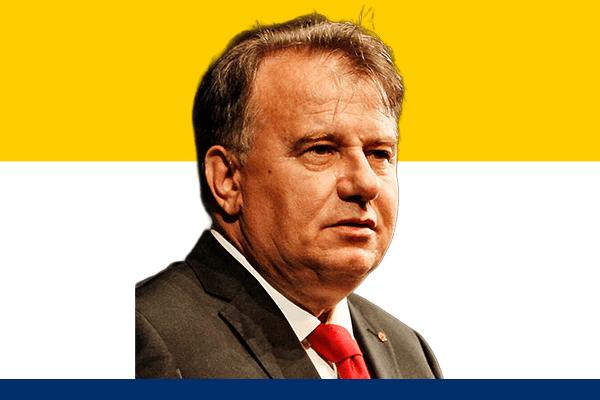
Early Life and Education
Nermin Nikšić was born on 26 September 1960 in Modriča. He completed his early education in his hometown before pursuing higher studies in law. He earned a law degree, which provided him with a solid understanding of legal systems and public administration. His education prepared him for a successful career in politics and government. Before entering national politics, he gained valuable professional experience in legal and administrative positions.
Political Career
Nikšić joined the Social Democratic Party and gradually established himself as a respected political leader. His dedication, organizational skills, and commitment to public service helped him rise within the party. He served in several important government positions and gained extensive experience in policymaking.
From 2011 to 2015, Nikšić served as the Prime Minister of the Federation of Bosnia and Herzegovina. During this period, he introduced reforms aimed at improving government efficiency, strengthening public finances, and encouraging economic growth. After completing his first term, he continued to lead the Social Democratic Party and remained one of the country’s most influential political figures.
In 2023, he returned as the Prime Minister of the Federation of Bosnia and Herzegovina. His second term reflected the confidence that political partners placed in his leadership and experience.
Leadership and Achievements
As Prime Minister, Nikšić has emphasized economic reforms, job creation, and better governance. He has encouraged investment, supported infrastructure development, and promoted transparency in public administration. His government has worked to improve healthcare, education, and social welfare while maintaining fiscal responsibility.
Nikšić has also supported closer cooperation with European institutions. He believes that stronger ties with Europe can help Bosnia and Herzegovina achieve greater political stability and economic prosperity. His leadership has focused on dialogue, compromise, and cooperation among different political groups.
Challenges
Leading the Federation of Bosnia and Herzegovina presents many challenges. The country has a complex political system that requires cooperation among multiple parties and institutions. Nikšić has faced political disagreements, economic pressures, and demands for structural reforms. Despite these obstacles, he has continued to advocate for responsible governance and practical solutions.
Economic modernization, reducing unemployment, and attracting foreign investment remain important priorities. Nikšić has consistently argued that long-term reforms will strengthen the country’s economy and improve living standards.
Legacy and Influence
Nermin Nikšić has built a reputation as an experienced and determined political leader. His long service in public office demonstrates his commitment to democratic governance and social progress. Supporters appreciate his focus on reform, accountability, and economic development, while critics continue to debate his policies and political decisions. Regardless of differing opinions, his influence on Bosnian politics remains significant.
Conclusion
Nermin Nikšić continues to shape the political landscape of Bosnia and Herzegovina through his leadership and public service. His experience, legal background, and dedication to democratic principles have made him an important figure in the country’s modern history. As Prime Minister, he remains focused on economic growth, institutional reform, and European integration. His efforts to strengthen governance and improve citizens’ lives ensure that he will remain an influential leader in Bosnia and Herzegovina for years to come.