PRESIDENTS OF ALBANIA
Presidents of Albania
Albania is a country located in Southeastern Europe on the Balkan Peninsula. Since the establishment of the Republic of Albania, the office of the President has served as the head of state and a symbol of national unity. The President represents the country at home and abroad, safeguards the Constitution, and performs important ceremonial and constitutional duties. Over the years, several leaders have held the presidency and contributed to Albania’s political development.
LIST OF PRESIDENTS OF ALBANIA
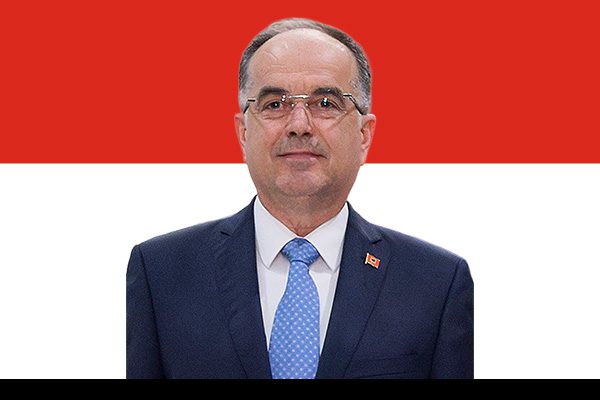
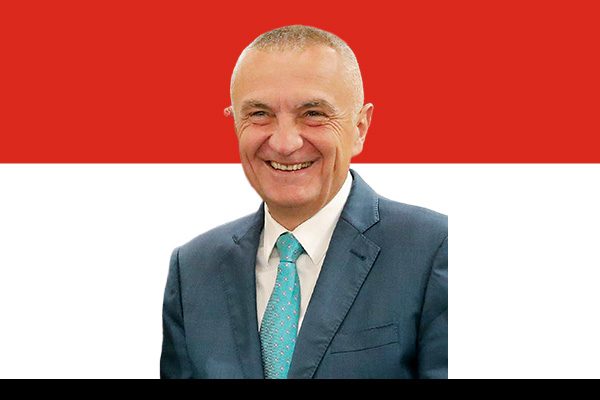
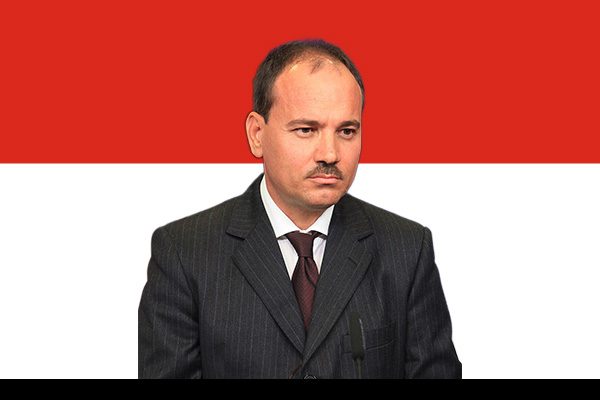
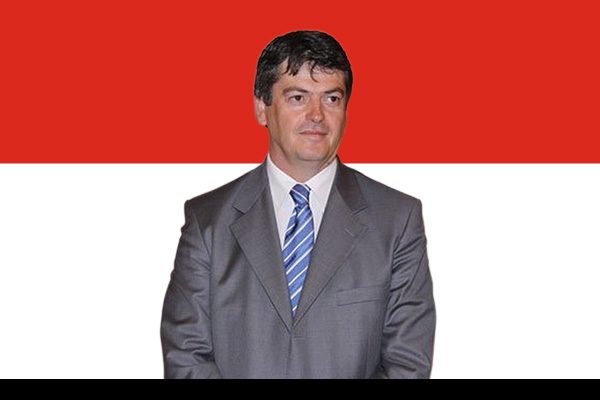
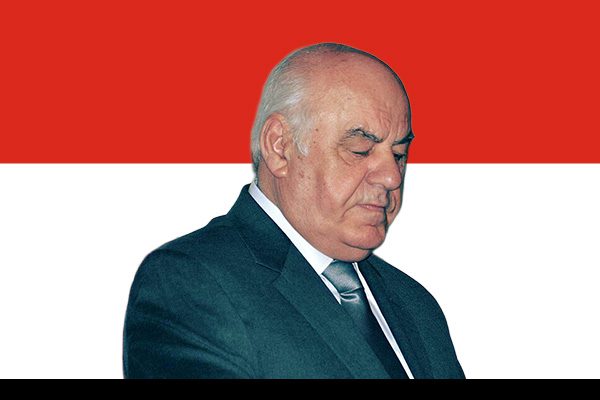
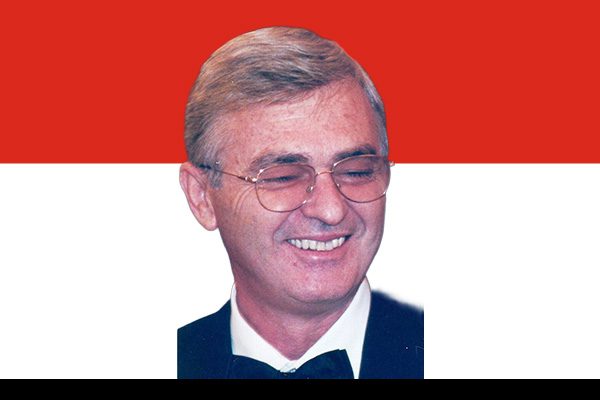
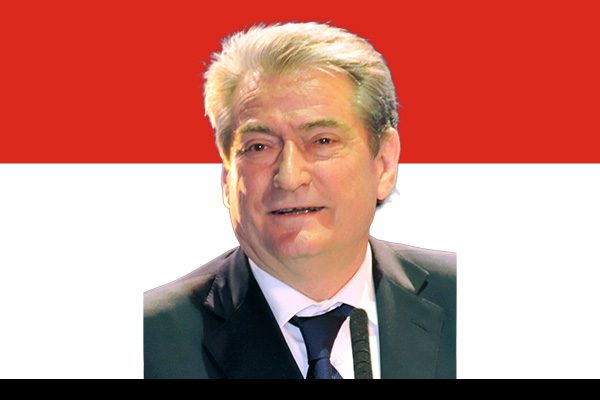
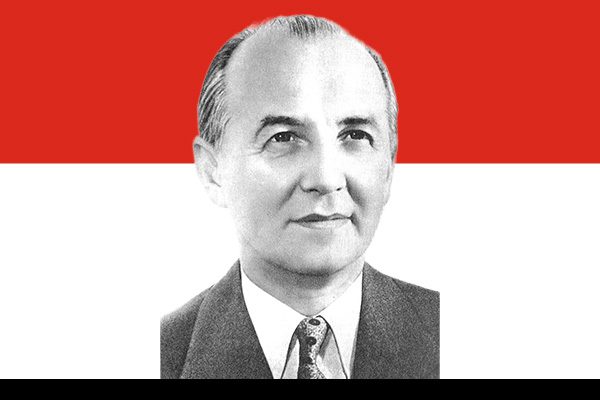
Early Presidents of Albania
The first President of Albania was Ahmet Zogu, who served from 1925 to 1928. During his presidency, Albania worked to strengthen its state institutions after years of political instability. In 1928, Zogu transformed the country into a monarchy and became King Zog I.
Following the communist takeover after World War II, Albania was governed by communist leaders for several decades. During this period, the role of head of state was often exercised through collective leadership structures rather than a modern presidency.
Presidents in the Post-Communist Era
The collapse of communism in the early 1990s led to significant political reforms. Ramiz Alia served as President from 1991 to 1992 and played a key role during the transition from communist rule to a democratic system.
In 1992, Sali Berisha became the first democratically elected President after the fall of communism. His presidency focused on political and economic reforms aimed at modernizing the country.
He was succeeded by Rexhep Meidani, who worked to restore stability following political unrest in the late 1990s. His administration emphasized democratic governance and institutional development.
Twenty-First Century Presidents
From 2002 to 2007, Alfred Moisiu served as President. Known for his non-partisan approach, he promoted political dialogue and national unity.
Bamir Topi succeeded Moisiu and focused on strengthening democratic institutions and supporting Albania’s Euro-Atlantic integration efforts.
Between 2012 and 2017, Bujar Nishani represented the country and advocated for judicial reforms and stronger international partnerships.
From 2017 to 2022, Ilir Meta held office. His presidency was marked by active involvement in constitutional and political matters.
Current President
Since 2022, Bajram Begaj has served as President of Albania. A former military officer, Begaj has focused on national unity, constitutional responsibility, and strengthening Albania’s relations with international partners.
Conclusion
The Presidents of Albania have played important roles in shaping the nation’s political history. From the early republic under Ahmet Zogu to the democratic era and the current leadership of Bajram Begaj, each president has contributed to Albania’s development, stability, and integration into the international community. Today, the presidency remains a vital institution that symbolizes the sovereignty and unity of the Albanian state.