Mr. Lal Bahadur Shastri
In Office: 9 June 1964 – 11 January 1966
Political Party: Indian National Congress
Home State: Uttar Pradesh
Lifespan: 1904–1966
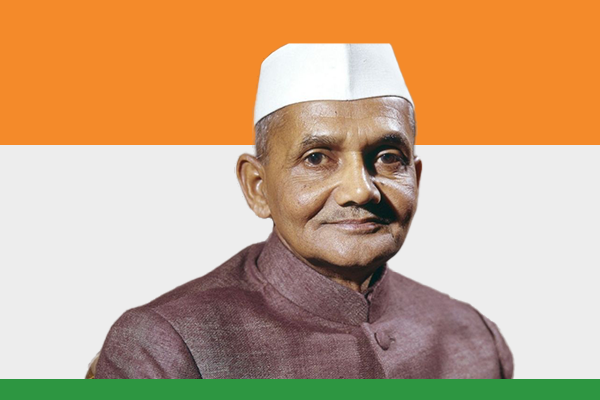
Early Life and Education
Lal Bahadur Shastri was born on October 2, 1904, in Mughalsarai, a small town in Uttar Pradesh. After his father passed away early, his mother raised him under difficult financial conditions. Despite the hardships, he stayed committed to his studies and graduated from Kashi Vidyapeeth in Varanasi. The institution honored him with the title “Shastri,” meaning scholar, which became a permanent part of his name.
Mahatma Gandhi and his teachings deeply influenced Shastri. He embraced Gandhian ideals of truth, non-violence, and simplicity, which shaped his character and leadership throughout his life.
Contribution to the Freedom Struggle
As a young man, Shastri joined the Indian National Movement. He actively participated in major protests like the Non-Cooperation Movement and Salt Satyagraha. The British authorities arrested him several times and sent him to prison for his involvement. Even while in jail, he continued to study and remained focused on serving the nation.
Political Journey After Independence
After India gained independence in 1947, Shastri took on several important roles in the government. He served as:
Minister of Transport and Railways
Minister of Commerce and Industry
Home Minister
He governed with honesty, humility, and efficiency. Shastri led by example and earned widespread respect for his modest lifestyle and sincere commitment to public service.
Becoming Prime Minister of India
Following Jawaharlal Nehru‘s death in 1964, leaders of the Congress Party selected Lal Bahadur Shastri as India‘s second Prime Minister. Though some initially underestimated him for his soft-spoken nature, he quickly proved himself to be a firm and capable leader. He guided the country through political change, economic challenges, and national security threats.
Leadership During the 1965 War
Shastri played a defining role during the Indo-Pakistani War of 1965. His steady and courageous leadership united the nation. During this time, he coined the iconic slogan:
“Jai Jawan, Jai Kisan” – “Hail the Soldier, Hail the Farmer”
This phrase highlighted the importance of both military strength and agricultural development in India’s progress.
The Tashkent Agreement and Sudden Demise
In January 1966, Shastri traveled to Tashkent and signed a peace agreement with Pakistan to end the war. Tragically, just hours after signing the Tashkent Agreement on January 10, he died suddenly under mysterious circumstances. His unexpected death shocked the entire nation and remains surrounded by unanswered questions.
Legacy and Recognition
People remember Lal Bahadur Shastri as a leader who stood for integrity, simplicity, and patriotism. He lived a modest life, never sought personal wealth, and remained fully devoted to India’s development.
The Government of India honored him posthumously with the Bharat Ratna, the nation’s highest civilian award. India celebrates his birthday, October 2, along with Mahatma Gandhi’s, as a tribute to peace, humility, and national service.