Mr. Chandra Shekhar
In Office:10 November 1990 – 1 June 1991
Political Party: Samajwadi Janata Party
Home State: Uttar Pradesh
Lifespan: 1927–2007
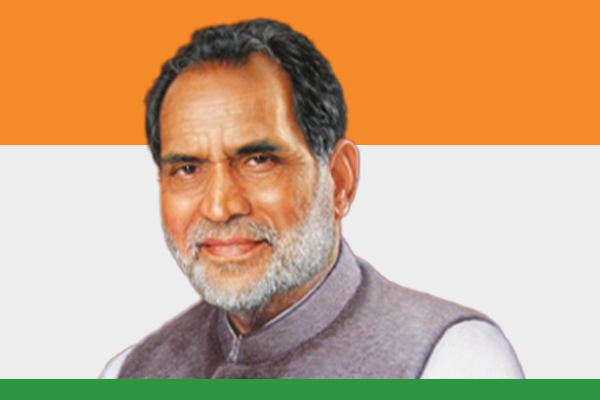
Early Life and Education
Chandra Shekhar was born on July 1, 1927, in Ibrahimpatti village, located in the Ballia district of Uttar Pradesh. Coming from a modest farming family, he developed a deep empathy for the struggles of rural India. He earned a Master’s degree in Political Science from Allahabad University, where he became interested in politics and was influenced by socialist ideology.
Political Entry and Rise in Congress
Chandra Shekhar began his political career with the Praja Socialist Party but later joined the Indian National Congress during the Nehru era. He gained fame as part of the “Young Turks”, a group of dynamic Congress leaders who pushed for progressive policies, social reform, and internal party democracy.
In 1962, he was elected to the Rajya Sabha, and later to the Lok Sabha, where he earned a reputation for his outspoken speeches and independent thinking.
Emergency and Opposition Role
When Indira Gandhi declared Emergency in 1975, Chandra Shekhar bravely opposed it, even though he was a member of her party. He was imprisoned during the Emergency and emerged as a symbol of resistance against authoritarianism. After the Emergency, he joined the Janata Party and became a leading voice for democracy and social justice.
Bharat Yatra: Walking with the People
In 1983, Chandra Shekhar undertook a Bharat Yatra, a historic 4,000-kilometer journey on foot from Kanyakumari to Delhi. The goal was to connect with ordinary citizens and understand the real issues facing rural India. The yatra earned him nationwide respect and showed his commitment to grassroots democracy.
Prime Minister of India (1990–1991)
On November 10, 1990, Chandra Shekhar became the 8th Prime Minister of India, leading a minority government with outside support from the Congress Party. His tenure was brief—only seven months—but it came during a critical time of political and economic crisis.
As Prime Minister, he had to handle:
A severe economic crisis, including a shortage of foreign exchange
Rising tensions due to the Mandal Commission protests
The growing Ram Janmabhoomi-Babri Masjid conflict
His efforts to stabilize the country were short-lived as Congress withdrew support, and his government fell in June 1991.
Later Years and Death
Even after leaving office, Chandra Shekhar remained active in politics, consistently speaking out for transparency, national integrity, and rural development. He continued as a Lok Sabha MP until his death on July 8, 2007, following a long illness.
Legacy
Chandra Shekhar is remembered as a fearless, principled leader who rose from humble origins and never compromised on his ideals. His honesty, simplicity, and commitment to social justice and democratic values continue to inspire future generations of leaders.