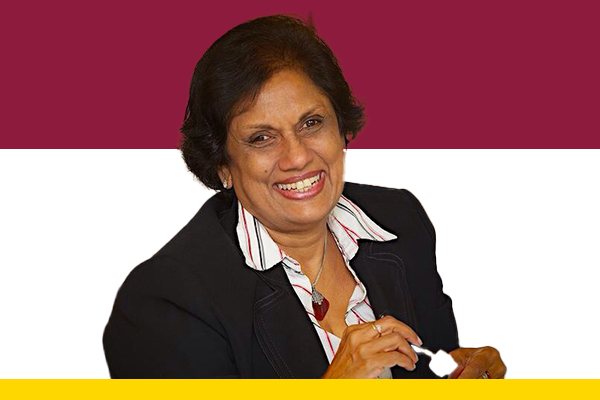
Chandrika Kumaratunga
In Office: 19 August 1994 – 12 November 1994
Political Party: Sri Lanka Freedom Party
Home State: Attanagalla
Lifespan: born 1945
Country: Sri Lanka
Early Life and Family Background
Chandrika Bandaranaike Kumaratunga was born on June 29, 1945, into one of Sri Lanka’s most influential political families. Her father, S.W\.R.D. Bandaranaike, was the founder of the Sri Lanka Freedom Party (SLFP) and served as Prime Minister until his assassination in 1959. Her mother, Sirimavo Bandaranaike, was the world’s first female Prime Minister. Chandrika received her education at St. Bridget’s Convent in Colombo and later pursued higher studies in political science and economics at the University of Paris (Sorbonne).
Entry into Politics
Despite her family’s deep political roots, Chandrika initially stayed out of active politics. She worked in Sri Lanka’s land reform and rural development sectors and also spent time abroad during the politically turbulent 1980s. She returned to active politics in the early 1990s, first as Chief Minister of the Western Province in 1993. Later that year, following the assassination of her husband, popular actor-politician Vijaya Kumaratunga, she gained national attention and quickly rose through the ranks of the SLFP.
Becoming President
In 1994, Chandrika Kumaratunga led the People’s Alliance (PA) to a decisive victory in parliamentary elections and became Prime Minister. Within months, she contested and won the presidential election, becoming Sri Lanka’s first female Executive President. Her election marked a turning point in Sri Lankan politics, as she promised a new era of peace, ethnic harmony, and economic development.
Peace Efforts and Challenges
One of Kumaratunga’s top priorities was to end the country’s long-running civil conflict with the Liberation Tigers of Tamil Eelam (LTTE). She made initial efforts to start peace talks, advocating for a political solution and devolution of power. However, her peace initiatives met with limited success, as the LTTE resumed hostilities, and trust between the two sides deteriorated.
Her presidency also faced severe setbacks, including an assassination attempt in 1999, which left her partially blind in one eye. Despite the attempt on her life, she won re-election later that year, demonstrating her resilience and public support.
Economic and Political Governance
Economically, her government implemented several welfare programs and infrastructure projects but also struggled with corruption allegations and internal political divisions. Her second term saw a difficult cohabitation period with Prime Minister Ranil Wickremesinghe, whose United National Party-led government had a contrasting approach to the peace process with the LTTE.
This power struggle created political instability, culminating in her dismissal of three ministers and eventually the Parliament in 2004. Her party regained power, and she completed her second term in 2005.
Later Life and Legacy
After stepping down from the presidency, Kumaratunga remained active in social causes and political commentary but distanced herself from frontline politics. In later years, she became involved in reconciliation and good governance initiatives.
Chandrika Kumaratunga’s legacy is complex—marked by high expectations, bold peace initiatives, and political turbulence. As the first woman to hold the presidency in Sri Lanka, she broke significant barriers and played a pivotal role in shaping the island nation’s post-civil war political discourse. Despite challenges, her commitment to democratic governance and national unity continues to be recognized.