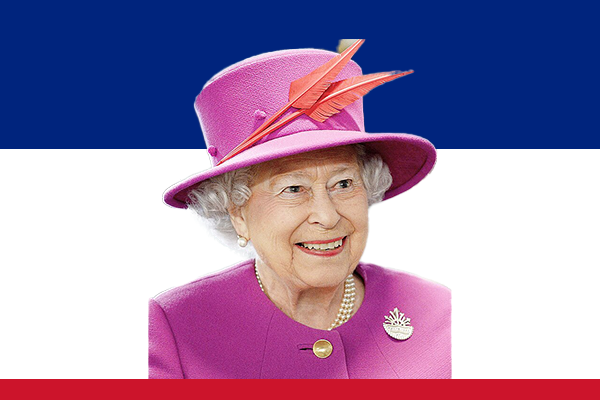
Early Life of Elizabeth II
Elizabeth Alexandra Mary Windsor was born on April 21, 1926, in London, England. Her father, George VI, and her mother, Elizabeth Bowes-Lyon, raised her with strong family values. As a young girl, Elizabeth developed a deep sense of duty toward her country. She studied constitutional history and law under private tutors, preparing herself for future responsibilities.
Ascension to the Throne
Elizabeth became Queen after her father, King George VI, died on February 6, 1952. At just 25 years old, she took on the role of the monarch of the United Kingdom and the Commonwealth realms. Her coronation took place on June 2, 1953, at Westminster Abbey, marking a significant event in British history. Millions watched the ceremony on television, making it one of the first major global broadcasting events.
Reign and Achievements
Queen Elizabeth II ruled during a period of immense political, social, and cultural change. She maintained political neutrality while meeting with world leaders and shaping Britain’s image globally. She traveled extensively, becoming the most widely traveled head of state in history.
Under her reign, Britain witnessed the transition from empire to Commonwealth, as several colonies gained independence. Despite these changes, she worked to keep the Commonwealth united and celebrated its diversity.
She also embraced modernization. She approved the first televised Christmas broadcast in 1957 and gradually opened royal life to the public. Her ability to adapt to changing times helped preserve the monarchy’s relevance in modern society.
Challenges Faced by Elizabeth II
Elizabeth II faced numerous challenges during her reign. She navigated constitutional crises, such as the Suez Crisis of 1956 and political shifts like the rise of Margaret Thatcher. She also endured personal difficulties, including the turbulent marriages of her children, particularly the divorce of Prince Charles and Princess Diana.
The death of Princess Diana in 1997 brought criticism to the royal family. Many questioned the monarchy’s role in a modern world. Despite these challenges, Elizabeth responded with calm dignity, gradually regaining public trust.
The Queen’s Personal Qualities
People admired Elizabeth II for her sense of duty, discipline, and dedication to her role. She consistently performed her ceremonial and constitutional duties with precision. Her speeches reflected wisdom and compassion, especially during times of crisis, such as the COVID-19 pandemic when she reassured the nation with her message, “We will meet again.”
Platinum Jubilee and Legacy
In 2022, the United Kingdom celebrated Elizabeth II’s Platinum Jubilee, marking 70 years on the throne. The celebrations honored her remarkable service and dedication. Few monarchs in history have reigned for such a long period.
Elizabeth II passed away on September 8, 2022, at Balmoral Castle in Scotland. Her death ended the longest reign in British history, leaving a legacy of stability, resilience, and modernity.
Conclusion
Queen Elizabeth II ruled with grace and dedication for seven decades. She witnessed dramatic changes in Britain and the world, yet she remained a symbol of continuity and unity. Her reign will be remembered as a defining era in modern history.