Wilhelmina
Reign: 23 November 1890 – 4 September 1948
Home State: Noordeinde Palace
Lifespan: 1880–1962
Country: Netherlands
Image credits available here.
Early Life and Ascension
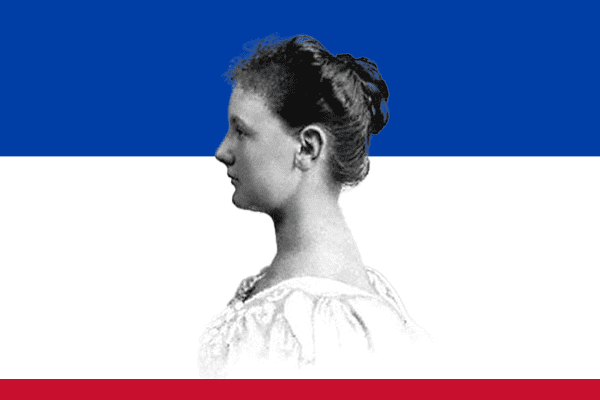
Wilhelmina Helena Pauline Maria was born on August 31, 1880, in The Hague. She became queen at just ten years old after the death of her father, King William III. Because she was still a child, her mother, Queen Emma, served as regent and handled the responsibilities of governance. During this period, Wilhelmina received careful training in state affairs, politics, and diplomacy. She officially assumed full royal authority in 1898 at the age of eighteen.
Reign and Leadership
Wilhelmina ruled during a time of significant change. She strengthened the Dutch monarchy by maintaining close connections with her citizens and showing genuine concern for their welfare. Unlike many rulers of her time, she actively involved herself in political matters and made independent decisions. She believed in a strong and stable Netherlands and worked tirelessly to protect national interests.
During World War I, Wilhelmina successfully kept the Netherlands neutral. She managed diplomatic relations carefully and avoided unnecessary conflicts. Her leadership ensured that the country remained safe while many neighboring nations suffered devastation.
Role in World War II
Wilhelmina’s most notable contribution came during World War II. When Nazi Germany invaded the Netherlands in 1940, she refused to surrender. Instead, she fled to London and established a government-in-exile. From there, she used radio broadcasts to inspire and encourage the Dutch resistance. Her speeches motivated citizens to remain strong and resist occupation.
Wilhelmina became a symbol of hope and resistance. She communicated directly with her people and reinforced their belief in eventual freedom. Her active role in guiding the government during exile demonstrated her resilience and commitment. After the war ended, she returned to the Netherlands and received a hero’s welcome.
Abdication and Later Life
In 1948, Wilhelmina decided to abdicate the throne in favor of her daughter, Juliana. She believed that a new generation should lead the country after the hardships of war. Following her abdication, she lived a quieter life but continued to take interest in national affairs.
Wilhelmina spent her later years writing and reflecting on her experiences. She passed away on November 28, 1962. Her legacy remains strong, and historians regard her as one of the most influential Dutch monarchs.
Legacy
Queen Wilhelmina left behind a legacy of strength, leadership, and dedication. She transformed the role of the monarchy into one that actively served the people. Her courage during wartime and her determination in times of peace earned her lasting respect.
Historians and citizens alike remember her as a symbol of national unity and resilience. Her reign shaped modern Dutch identity and strengthened democratic values within the country.
Conclusion
Queen Wilhelmina led the Netherlands through some of the most challenging periods in history. She showed bravery, wisdom, and determination in every phase of her reign. Her active leadership style and unwavering commitment to her people ensured that she remained a respected and admired figure long after her time.