Prime Ministers of Pakistan

The Prime Minister of Pakistan serves as the head of government, holding the highest executive authority in the country. This office was established after Pakistan gained independence in 1947, aiming to lead the nation toward democracy, development, and progress. The Prime Minister oversees government policies, foreign relations, economic planning, and internal security while representing the nation on global platforms.

LIST OF PRIME MINISTERS OF PAKISTAN

="timeline-item"
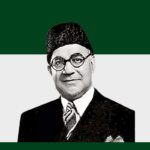
Liaquat Ali Khan

Liaquat Ali Khan (1895–1951) was Pakistan’s first Prime Minister and a close associate of Muhammad Ali Jinnah. A key leader in the Pakistan Movement, he played a central role in shaping the new nation’s policies. He was assassinated in 1951 while addressing a public gathering in Rawalpindi.

="timeline-item"
Khawaja Nazimuddin

Khawaja Nazimuddin (1894–1964) was a prominent Pakistani statesman and the country’s second Prime Minister. A close associate of Muhammad Ali Jinnah, he previously served as Governor-General. His term (1951–1953) was marked by political instability and civil unrest, leading to his dismissal. He was a key figure in early Pakistani politics.

="timeline-item"
Mohammad Ali Bogra

Mohammad Ali Bogra (1909–1963) was a Pakistani diplomat and statesman who served as Prime Minister from 1953 to 1955. Known for the “Bogra Formula” to resolve the East-West Pakistan power imbalance, he previously served as ambassador to the U.S. and played a key role in shaping foreign policy.

="timeline-item"
Chaudhry Mohammad Ali

Chaudhry Mohammad Ali (1905–1980) was a Pakistani bureaucrat and politician who served as the country’s fourth Prime Minister from 1955 to 1956. A key figure in drafting Pakistan’s first constitution, he promoted administrative reforms and economic planning. He resigned amid political tensions and remained respected for his integrity and patriotism.

="timeline-item"
Ibrahim Ismail Chundrigar

Ibrahim Ismail Chundrigar (1897–1968) was a Pakistani politician, lawyer, and briefly the sixth Prime Minister of Pakistan in 1957. A member of the Muslim League, he served only 55 days in office. Known for his legal acumen, he also held various ministerial positions and contributed to Pakistan’s early governance framework.

="timeline-item"
Nurul Amin

Nurul Amin (1893–1974) was a prominent Pakistani politician and the only Vice President of Pakiastn. He briefly served as Prime Minister in 1971 during a national crisis. A loyalist to the central government, he opposed the breakup of Pakistan and worked to preserve national unity during the Bangladesh Liberation War.

="timeline-item"
Chaudhary Charan Singh

Chaudhary Charan Singh,1902–1987, was India’s fifth Prime Minister, serving briefly in 1979–1980. A champion of farmers and rural India, he focused on agrarian reform and social justice. Known as the “champion of peasants,” Singh played a key role in shaping pro-farmer policies and led several important land reform initiatives.

="timeline-item"
M. Khan Junejo

M. Khan Junejo (1932–1993) was a Pakistani politician and Prime Minister from 1985 to 1988 under President Zia-ul-Haq. Known for his integrity and democratic principles, he attempted to assert civilian authority over the military. His independent stance led to his dismissal, marking a significant moment in Pakistan’s civil-military relations.

="timeline-item"
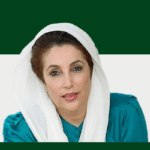
Benazir Bhutto

Benazir Bhutto (1953–2007) was the first woman to lead a Muslim-majority nation, serving twice as Prime Minister of Pakistan. A charismatic leader of the Pakistan Peoples Party, she championed democracy and women’s rights. Her terms were marked by both progress and controversy. She was assassinated during an election campaign in 2007.

="timeline-item"
Nawaz Sharif

Nawaz Sharif (born 1949) is a veteran Pakistani politician and three-time Prime Minister. Leader of the Pakistan Muslim League (N), he played a major role in shaping Pakistan’s economy and infrastructure. His tenures were marked by both development and controversy, including confrontations with the military and eventual disqualification from office.

="timeline-item"
Mir Zafarullah Khan Jamali

Zafarullah Khan Jamali (1944–2020) was a Pakistani politician who served as the 15th Prime Minister from 2002 to 2004, becoming the first from Balochistan to hold the office. A member of the Pakistan Muslim League (Q), he played a key role during Pervez Musharraf’s regime and promoted political reconciliation.

="timeline-item"
Chaudhry Shujaat Hussain

Chaudhry Shujaat Hussain (born 1946) is a senior Pakistani politician and leader of the Pakistan Muslim League (Q). He briefly served as Prime Minister in 2004. Known for his political influence and alliances, especially during Pervez Musharraf’s era, he has played a key role in coalition politics and parliamentary maneuvering.

="timeline-item"
Shaukat Aziz

Shaukat Aziz (born 1949) is a Pakistani economist and politician who served as Prime Minister from 2004 to 2007. Previously Pakistan’s Finance Minister, he is credited with economic reforms and growth during General Pervez Musharraf’s rule. A former Citibank executive, Aziz focused on privatization, deregulation, and improving Pakistan’s global financial standing.

="timeline-item"
Yusuf Raza Gillani

Yusuf Raza Gillani (born 1952) is a senior Pakistani politician and member of the Pakistan Peoples Party (PPP). He served as the 18th Prime Minister of Pakistan from 2008 to 2012. His tenure focused on democratic restoration, constitutional reforms, and addressing economic challenges, though it ended following a contempt of court conviction.

="timeline-item"
Raja Pervez Ashraf

Raja Pervez Ashraf (born 1950) is a Pakistani politician from the Pakistan Peoples Party (PPP) who served as the 19th Prime Minister of Pakistan from 2012 to 2013. Previously Minister for Water and Power, he became Prime Minister after Yousaf Raza Gillani’s disqualification and focused on governance during a challenging period.

="timeline-item"
Shahid Khaqan Abbasi

Shahid Khaqan Abbasi (born 1958) is a Pakistani politician, technocrat, and businessman who served as the 21st Prime Minister of Pakistan from 2017 to 2018. A senior leader of the Pakistan Muslim League (N), he is known for his work in energy and aviation sectors and for maintaining party unity.

="timeline-item"
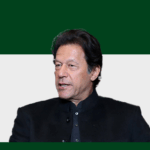
Imran Khan

Imran Khan (born 1952) is a Pakistani politician, former cricketer, and philanthropist who served as the 22nd Prime Minister of Pakistan from 2018 to 2022. He led the Pakistan Tehreek-e-Insaf (PTI) party and championed anti-corruption and reformist policies. Earlier, he gained global fame by winning the 1992 Cricket World Cup.

="timeline-item"
Feroz Khan Noon

Feroz Khan Noon (1893–1970) was a seasoned Pakistani politician and diplomat who served as Prime Minister from 1957 to 1958. A founding member of the Republican Party, he played a key role in the accession of Gwadar to Pakistan. His tenure ended with the imposition of martial law in 1958.

="timeline-item"
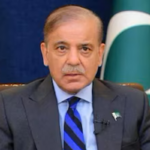
Shehbaz Sharif

Shehbaz Sharif (born 1951) is a veteran Pakistani politician and current Prime Minister. Leader of the Pakistan Muslim League (N), he previously served multiple terms as Chief Minister of Punjab. Known for his administrative efficiency and development focus, Shehbaz played a key role in shaping infrastructure and governance reforms in Punjab.

Pakistan’s first Prime Minister was Liaquat Ali Khan, who assumed office in August 1947. He played a vital role in shaping the early political and administrative framework of the new nation. His leadership focused on establishing the foundations of governance and guiding Pakistan through its initial challenges. Unfortunately, his tenure ended tragically when he was assassinated in 1951.

Over the decades, several prominent leaders have held this position. Zulfikar Ali Bhutto emerged as a key figure in the 1970s, known for his democratic reforms and the introduction of Pakistan’s 1973 Constitution, which is still in effect today. He also initiated major industrial and economic policies to modernize the country.

Another significant leader, Benazir Bhutto, became the first woman Prime Minister of Pakistan and the Muslim world in 1988. Her leadership symbolized progress and democratic values, though her government faced political challenges.

Nawaz Sharif and Imran Khan also left strong marks on Pakistan’s politics. Nawaz Sharif served multiple terms, focusing on economic reforms and infrastructure development, while Imran Khan emphasized anti-corruption measures and social welfare programs during his tenure from 2018 to 2022.

The position of Prime Minister in Pakistan has witnessed periods of both democracy and military interventions, shaping the country’s political landscape. Despite challenges, the role remains central to Pakistan’s governance and future progress, representing the aspirations of its people for stability, growth, and democratic continuity.
Back to top of page