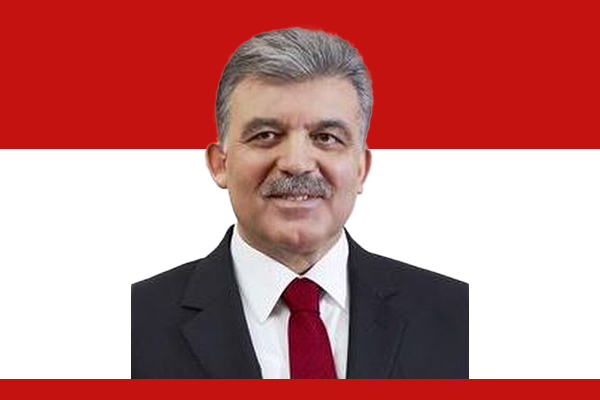
Early Life and Academic Foundation
Abdullah Gül entered the world on October 29, 1950, in Kayseri, Turkey, and grew up in a modest yet disciplined household. He pursued higher education with determination and earned a degree in economics from Istanbul University. He later strengthened his academic foundation by completing postgraduate studies in the United Kingdom. His early exposure to global perspectives encouraged him to develop a balanced worldview rooted in both tradition and modernity. Gül returned to Turkey with a deeper understanding of international affairs and began contributing to academic and financial institutions.
Entry into Politics and Rise to Prominence
Gül stepped into politics during the 1990s when Turkey was experiencing social and economic turbulence. He joined the Welfare Party and quickly gained influence due to his diplomatic approach and articulate communication style. Even when the political landscape grew challenging, he continued championing democratic values and economic reforms. After the Welfare Party dissolved, he became one of the founding members of the Justice and Development Party (AKP) in 2001. His leadership and vision helped the party gain national popularity.
Gül played a decisive role in the 2002 general elections, during which the AKP secured a major victory. He assumed the position of Prime Minister briefly when Recep Tayyip Erdoğan could not take office due to legal restrictions. Gül managed government affairs responsibly and stabilized the political environment during this transitional period.
Diplomatic Career and Foreign Policy Initiatives
Gül later served as Minister of Foreign Affairs, where he actively strengthened Turkey’s global image. He engaged with European Union leaders and promoted Turkey’s EU membership aspirations. He also fostered diplomatic ties across the Middle East, Central Asia, and the broader international community. His soft-spoken yet firm diplomatic style helped him build trust among global partners.
As foreign minister, he supported improved human rights standards, democratic reforms, and economic development inside Turkey. His efforts reflected his long-term vision of placing Turkey among influential global actors.
Presidency and National Leadership (2007–2014)
In 2007, the Turkish Parliament elected Abdullah Gül as the 11th President of Turkey. He made history as the first leader with roots in an Islamic-oriented political movement to hold the presidency in a secular republic. Despite political tensions surrounding his election, he took office with a commitment to protect the constitution and maintain national unity.
During his presidency, Gül encouraged political dialogue and emphasized democratic principles. He used a calm and inclusive leadership style to address major national issues. He supported constitutional reforms, improved healthcare and education standards, and promoted economic stability.
Gül also advanced Turkey’s role in international organizations. He represented Turkey in the United Nations, NATO, and various global summits, where he emphasized peace, cooperation, and development. He consistently encouraged stronger relations with Europe while promoting peaceful diplomacy in the Middle East.
Legacy and Influence on Turkish Democracy
Abdullah Gül left office in 2014 after shaping an era of political transformation. His presidency marked a period when Turkey attempted to balance tradition with modern governance. Many citizens remember him for his moderate tone, diplomatic mindset, and respect for democratic values.
Today, Gül continues participating in political debates and offers insights on democratic reforms, civil freedoms, and international relations. His long career reflects a leader who valued stability, dialogue, and global cooperation.