Mr. Alija Izetbegovic
In Office: 20 December 1990 – 14 October 2000
Political Party: Party of Democratic Action
Home State: Šamac
Lifespan: 1925–2003
Country: Bosnia and Herzegovina
Image credits available here.
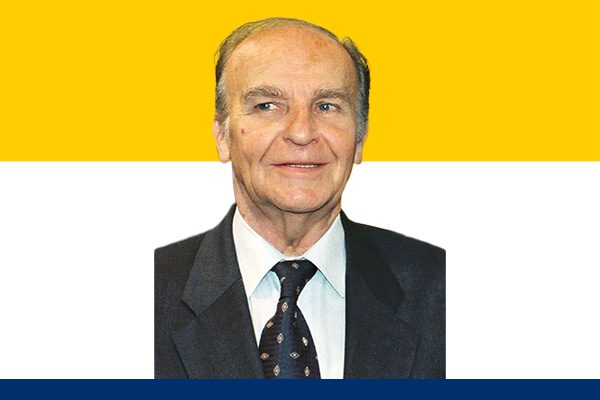
Early Life and Education
Alija Izetbegović was born on 8 August 1925 in Bosanski Šamac, Kingdom of Serbs, Croats, and Slovenes (now Bosnia and Herzegovina). His family later moved to Sarajevo, where he spent most of his childhood. He completed his early education in Sarajevo and developed a strong interest in law, philosophy, and politics. He graduated from the Faculty of Law at the University of Sarajevo and began his career as a legal advisor while writing articles on social, political, and religious issues.
Political Career
Alija Izetbegović entered active politics during the final years of Yugoslavia. In 1990, he co-founded the Party of Democratic Action (SDA), which quickly became one of the leading political parties in Bosnia and Herzegovina. The people elected him as the Chairman of the Presidency after the country’s first multi-party elections.
When Bosnia and Herzegovina declared independence in 1992, he became the first President of the independent nation. He worked tirelessly to gain international recognition and protect the country’s territorial integrity.
Leadership During the Bosnian War
The Bosnian War began shortly after Bosnia declared independence. Alija Izetbegović faced enormous challenges as violence spread across the country. Despite limited military resources and severe humanitarian crises, he remained committed to preserving Bosnia and Herzegovina as a united, multi-ethnic state.
He actively sought diplomatic solutions and participated in numerous international peace negotiations. His government cooperated with global organizations and foreign leaders to secure humanitarian assistance and international support. His leadership played an important role in achieving the Dayton Peace Agreement in 1995, which ended the war and established peace.
Achievements and Contributions
Alija Izetbegović made significant contributions to Bosnia and Herzegovina. He helped establish democratic institutions after independence and encouraged cooperation among different ethnic and religious communities. He strengthened Bosnia’s international relations and represented the country in major diplomatic forums.
Besides politics, he was also a respected writer. His books explored philosophy, ethics, religion, and the relationship between Islam and modern society. His writings continue to influence scholars and readers interested in political thought and human rights.
Retirement and Death
After serving as a member of the Presidency for several years, Alija Izetbegović resigned in 2000 because of health problems. Even after leaving office, he remained an influential public figure and continued to share his views on national and international issues.
He passed away on 19 October 2003 in Sarajevo at the age of 78. Thousands of people attended his funeral to pay their respects, reflecting the deep impact he had on the nation.
Legacy
Alija Izetbegović remains one of the most influential leaders in the history of Bosnia and Herzegovina. Many people remember him for his courage, resilience, and dedication to peace and democracy during a time of conflict. His efforts helped preserve the country’s independence and laid the foundation for its modern political system.
His books, speeches, and political ideas continue to inspire students, historians, and political leaders around the world. Although opinions about his policies differ, his role in shaping modern Bosnia and Herzegovina remains historically significant.
Conclusion
Alija Izetbegović devoted his life to serving Bosnia and Herzegovina during one of its most challenging periods. He led the nation with determination, defended its independence, and promoted peace through diplomacy. His contributions as a president, lawyer, author, and statesman have secured him an important place in European history. His legacy continues to remind future generations of the importance of leadership, democracy, and national unity.