Mr. Ayaz Mutallibov
In Office: 18 May 1990 – 6 March 1992
Political Party: Communist
Home State: Baku
Lifespan: 1938–2022
Country: Azerbaijan
Image credits available here.
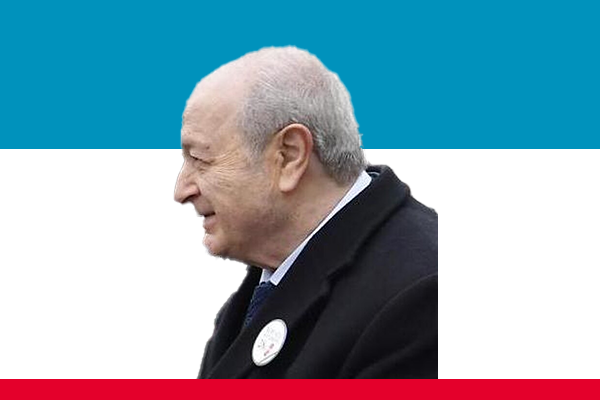
Early Life and Education
Mutallibov grew up in Soviet Azerbaijan, completing his early education in Baku. Demonstrating an aptitude for technical and administrative work, he pursued higher education in metallurgy at the Azerbaijan State Oil and Industry Institute. His academic and technical skills paved the way for his entry into industrial management, a common pathway for Soviet-era leaders. By the 1970s, Mutallibov had risen through the ranks of the Communist Party, gaining recognition as a capable administrator and problem-solver in industrial sectors.
Political Rise in the Soviet Era
Ayaz Mutallibov’s political ascent occurred within the structures of the Azerbaijani Communist Party. He served in several key roles, including Minister of Light Industry and later as the First Secretary of the Azerbaijan Communist Party in the late 1980s. His leadership coincided with the period of Perestroika and Glasnost initiated by Mikhail Gorbachev, which reshaped political norms across the Soviet Union. Mutallibov was known for his pragmatic approach, balancing reformist impulses with caution, a trait that would define his early presidency.
Presidency and Challenges
In 1990, following the Black January events in Baku—a tragic episode in which Soviet troops violently suppressed pro-independence demonstrations—Mutallibov became Chairman of the Supreme Soviet of Azerbaijan, effectively positioning him as the nation’s leader. He assumed the title of President of Azerbaijan in 1991, shortly before the country formally declared independence from the Soviet Union.
Mutallibov’s presidency faced immediate and daunting challenges. Azerbaijan was engulfed in political instability, economic uncertainty, and escalating conflict in Nagorno-Karabakh with neighboring Armenia. The war placed tremendous pressure on his administration, requiring urgent responses to both humanitarian and military crises. Mutallibov’s leadership during this period was criticized for perceived indecisiveness, particularly in addressing military setbacks in the Nagorno-Karabakh conflict.
Resignation and Later Life
In March 1992, under intense political and public pressure due to the worsening war situation, Mutallibov resigned from the presidency. Despite stepping down, he remained politically active and attempted to return to leadership roles during the turbulent early 1990s. However, Azerbaijan’s rapidly changing political environment, marked by coups and shifting allegiances, limited his influence in national politics.
Mutallibov later lived in exile for a period but eventually returned to Azerbaijan. He continued to contribute to public discussions on governance and political reform until his death on March 27, 2022. His legacy remains complex; while some remember him for his administrative expertise and role in leading Azerbaijan to independence, others critique his handling of early conflicts and political transitions.
Legacy
Ayaz Mutallibov occupies a unique place in Azerbaijan’s history as the first president of an independent state. His tenure reflected both the aspirations of a newly sovereign nation and the harsh realities of political conflict. Studying his leadership provides insights into the difficulties faced by post-Soviet leaders who navigated independence, war, and nation-building simultaneously. While his presidency was brief, Mutallibov’s impact on Azerbaijan’s political history continues to be a subject of study for scholars and citizens alike.