Mr. Bakir Izetbegovic
In Office: 10 November 2010 – 20 November 2018
Political Party: Democratic Action
Home State: Breza
Lifespan: born 1956
Country: Bosnia and Herzegovina
Image credits available here.
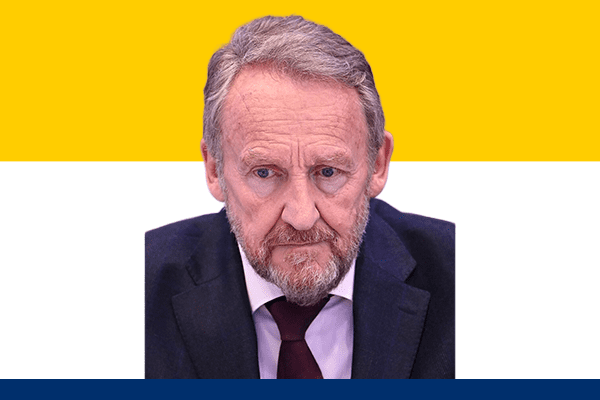
Early Life and Education
Bakir Izetbegović was born on 28 June 1956 in Sarajevo, Bosnia and Herzegovina, which was then part of Yugoslavia. He completed his early education in Sarajevo and later graduated from the Faculty of Architecture at the University of Sarajevo. Before entering politics, he worked as an architect and gained practical experience in urban planning and construction.
Growing up in a politically active family gave him a deep understanding of the challenges facing Bosnia and Herzegovina. His father’s dedication to democracy and national identity inspired him to pursue public service.
Political Career
Bakir Izetbegović became actively involved in politics through the Party of Democratic Action (SDA), one of the leading political parties in Bosnia and Herzegovina. He served in several important political positions before becoming a member of the Presidency of Bosnia and Herzegovina.
In 2010, citizens elected him to the Presidency, where he represented the Bosniak people. Voters re-elected him in 2014, allowing him to serve until 2018. During his tenure, he focused on strengthening democratic institutions, improving regional cooperation, and promoting economic development.
He also supported Bosnia and Herzegovina’s efforts to move closer to European and Euro-Atlantic institutions. His government encouraged reforms that could help the country meet international standards and improve governance.
Leadership and Contributions
Bakir Izetbegović worked to maintain political stability in a country with a complex constitutional structure. He promoted dialogue among Bosnia and Herzegovina’s different ethnic communities and encouraged peaceful cooperation despite political disagreements.
His leadership emphasized economic growth, infrastructure development, and stronger international partnerships. He also advocated for judicial reforms, anti-corruption measures, and improvements in public administration.
Internationally, he represented Bosnia and Herzegovina at diplomatic meetings and worked to strengthen relationships with neighboring countries, the European Union, and other global partners. His efforts aimed to increase foreign investment and support the country’s long-term development.
Challenges and Criticism
Like many political leaders, Bakir Izetbegović faced significant challenges throughout his career. Bosnia and Herzegovina‘s political system requires cooperation among multiple ethnic groups, making decision-making difficult. Political disagreements often slowed reforms and delayed progress on important national issues.
Critics argued that economic reforms moved too slowly and that political divisions remained a major obstacle to development. Others believed that stronger action against corruption and unemployment was necessary. Despite these criticisms, his supporters praised his commitment to preserving peace and protecting Bosnia and Herzegovina’s constitutional framework.
Legacy
Bakir Izetbegović remains one of the most influential political figures in modern Bosnia and Herzegovina. His years in public office shaped the country’s political landscape during a critical period of post-war recovery and democratic development.
His contributions to regional diplomacy, democratic governance, and European integration continue to influence political discussions in Bosnia and Herzegovina. Although opinions about his leadership differ, his impact on the country’s modern history is widely recognized.
Conclusion
Bakir Izetbegović has dedicated much of his career to public service and national politics. From his early work as an architect to his leadership as a member of the Presidency, he has played a significant role in Bosnia and Herzegovina‘s political journey. His commitment to democratic values, regional cooperation, and national stability has made him an important figure in the country’s contemporary history. As Bosnia and Herzegovina continues its path toward development and European integration, Bakir Izetbegović’s political legacy remains an important part of its ongoing story.