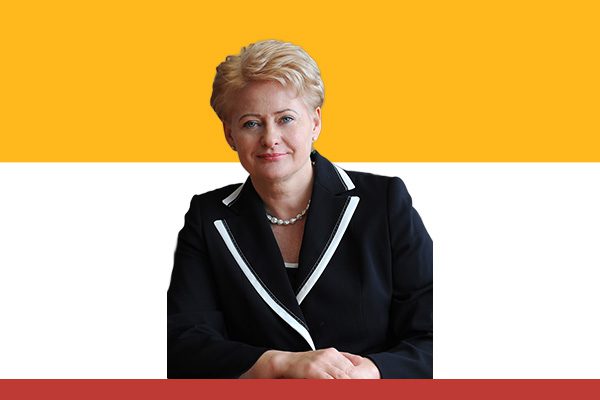
Early Life and Education
Dalia Grybauskaitė was born on March 1, 1956, in Vilnius, the capital of Lithuania. She grew up during the period when Lithuania formed part of the Soviet Union. From an early age, she valued education and hard work. She attended local schools and later studied economics.
She graduated from Leningrad State University with a degree in political economy. After completing her studies, she continued her academic development and earned a doctorate in economics. Her strong educational background helped her understand economic policies and public administration.
Beginning of Her Career
Before entering high-level politics, Grybauskaitė worked in various educational and government institutions. She gained valuable experience in economics, international relations, and public administration. After Lithuania restored its independence in 1990, she became actively involved in building the country’s new political and economic systems.
Her knowledge and leadership skills attracted the attention of national leaders. She served in several important government positions and contributed to economic reforms. Through these roles, she developed a reputation as a capable and efficient public servant.
Role in European Politics
Grybauskaitė played an important role in Lithuania’s integration into European institutions. She worked in the Ministry of Finance and later became Deputy Minister of Foreign Affairs. Her efforts supported Lithuania’s goal of joining the European Union.
In 2004, she became a European Commissioner in the European Commission. She handled financial planning and budgeting responsibilities. European leaders respected her for her expertise and strong management skills. During her time in Brussels, she helped improve financial oversight and promoted responsible economic policies.
Presidency of Lithuania
In 2009, Grybauskaitė won the presidential election with overwhelming public support. She became the first woman to serve as President of Lithuania. During her presidency, she focused on economic stability, transparency, and national security.
She encouraged government accountability and fought against corruption. She also supported reforms that strengthened public institutions. Her leadership helped Lithuania recover from economic difficulties following the global financial crisis.
National security remained one of her top priorities. She advocated stronger defense policies and closer cooperation with international partners. Her firm stance on security issues earned respect both at home and abroad.
Leadership Style and Achievements
Grybauskaitė demonstrated a direct and decisive leadership style. She communicated clearly and often addressed national issues with confidence. Citizens appreciated her willingness to make difficult decisions when necessary.
Her presidency strengthened Lithuania’s international reputation. She promoted democratic values, supported European cooperation, and encouraged economic development. Under her leadership, Lithuania increased its influence within European and international organizations.
Legacy
Dalia Grybauskaitė left a lasting impact on Lithuania and European politics. She inspired many women to pursue leadership roles and showed how determination and expertise can shape national progress. Her dedication to public service, economic stability, and national security continues to influence Lithuania today.
As one of the most respected leaders in the Baltic region, Dalia Grybauskaitė remains an important figure in modern European history. Her achievements reflect a career built on hard work, strong principles, and effective leadership.