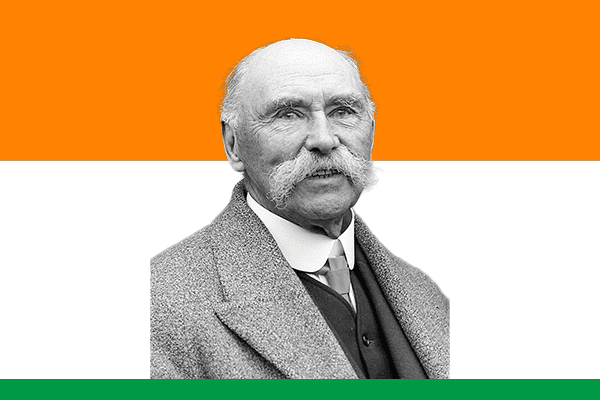
Early Life and Education
Douglas Hyde was born on January 17, 1860, in County Roscommon, Ireland. His father worked as a clergyman in the Church of Ireland. Hyde spent much of his childhood in rural Ireland, where he developed a deep interest in Irish traditions, folklore, and language.
He studied at Trinity College Dublin, where he became an excellent student of languages and literature. During his studies, he learned several languages, but he especially focused on the Irish language. Instead of ignoring Irish culture, Hyde actively worked to protect and revive it.
Promotion of the Irish Language
Douglas Hyde became one of the strongest supporters of the Irish language revival movement. In 1893, he co-founded the Gaelic League, an organization dedicated to promoting Irish language, literature, music, and traditions. Through speeches, books, and public activities, he encouraged people to speak Irish and take pride in their culture.
Hyde wrote essays and poems in both Irish and English. His famous speech, “The Necessity for De-Anglicising Ireland,” inspired many Irish citizens to preserve their unique identity instead of copying English customs. He believed that language represented the soul of a nation.
The Gaelic League quickly became popular across Ireland. Schools, communities, and cultural groups joined the movement. Hyde’s leadership helped revive interest in Irish traditions and encouraged national unity.
Literary Contributions
Douglas Hyde made important contributions to Irish literature and folklore. He collected traditional Irish stories, songs, and poems from rural communities and published them for future generations. His writings preserved valuable parts of Irish culture that might otherwise have disappeared.
He also translated Irish works into English, allowing more people to appreciate Ireland’s literary heritage. Through his books and research, Hyde became known internationally as a scholar of Irish studies.
Instead of limiting himself to academic work, he actively shared knowledge with ordinary people. His efforts connected education with national pride and cultural awareness.
Presidency of Ireland
In 1938, Douglas Hyde became the first President of Ireland after the adoption of the new Irish Constitution. Political leaders from different parties supported his election because they respected his scholarship, honesty, and dedication to the country.
As president, Hyde represented Ireland with dignity and wisdom. He attended official ceremonies, welcomed foreign guests, and promoted national unity. Although the role was largely ceremonial, he performed his duties sincerely and responsibly.
Hyde also showed that Ireland valued culture and education as much as politics. His presidency symbolized the importance of preserving Irish identity and traditions.
Personal Life and Character
Douglas Hyde married Lucy Kurtz, a German-born woman, in 1893. The couple shared a strong interest in culture and education. Hyde lived a simple and disciplined life, focusing on learning and public service rather than personal wealth or power.
People admired him for his intelligence, humility, and kindness. He communicated with people from different backgrounds and encouraged cooperation among communities.
Even during difficult political periods in Ireland, Hyde promoted peace, understanding, and respect for cultural heritage.
Legacy and Importance
Douglas Hyde left a lasting impact on Ireland through his work in language revival, literature, and public service. He helped save the Irish language from decline and inspired future generations to appreciate their culture.
Today, schools, organizations, and cultural institutions continue to honor his achievements. Historians remember him not only as Ireland’s first president but also as one of the nation’s greatest cultural leaders.
His life demonstrates how education, culture, and leadership can strengthen national identity and unite people.
Conclusion
Douglas Hyde devoted his life to preserving Irish culture and serving his country. Through active leadership, literary work, and dedication to education, he became a symbol of Irish pride and unity. His influence continues to inspire people in Ireland and around the world.