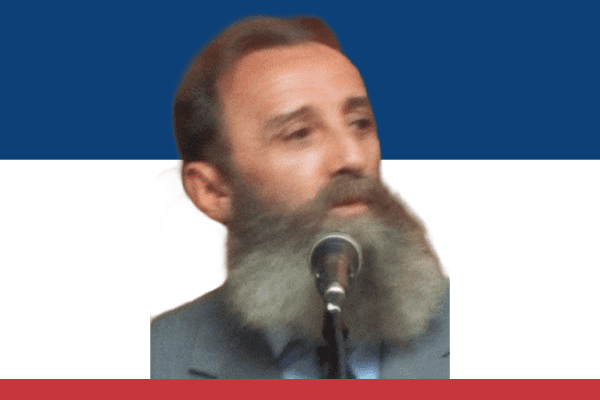
Early Life and Background
Dragoslav Marković was born on June 28, 1920, in Popović, Serbia. He grew up in a politically active environment during a time of social and economic transformation in the Balkans. As a young man, he developed a strong interest in politics and social justice.
He joined the communist movement early in his life and became actively involved in resistance activities during World War II. Instead of remaining a passive observer, he participated directly in the partisan struggle against Axis forces. His commitment to the cause helped him gain recognition among political leaders.
Political Rise
After World War II, Marković quickly rose through the ranks of the Communist Party. He took on various administrative and leadership roles, demonstrating his capability and dedication. He worked actively within the political structure to rebuild the country and establish socialist governance.
He became a member of the League of Communists of Yugoslavia and contributed to policy-making processes. His leadership style reflected discipline and strategic thinking. Rather than waiting for opportunities, he consistently took initiative in shaping political directions.
Key Roles and Contributions
Dragoslav Marković served in several important positions throughout his career. He held leadership roles within the Serbian government and the federal Yugoslav structure. One of his most notable roles was serving as the President of the Presidency of Serbia.
In this position, he actively guided political decisions and supported the functioning of the socialist system. He also played a role in maintaining stability during periods of internal political tension. Through his work, he contributed to the governance and organization of the state.
He participated in discussions that influenced economic and social policies. Instead of passively implementing decisions, he engaged in active debates and helped shape outcomes. His contributions strengthened institutional frameworks within Serbia.
Leadership Style and Influence
Marković demonstrated a pragmatic and disciplined leadership style. He focused on collective decision-making while maintaining a firm stance on key issues. He valued unity within the الحزب and worked to ensure cooperation among leaders.
He influenced political processes by actively participating in party meetings and national discussions. His approach reflected the principles of socialist governance, where collaboration and centralized planning played key roles.
Challenges and Political Environment
During his career, Marković operated in a complex political environment. Yugoslavia experienced internal challenges, including ethnic tensions and economic difficulties. Despite these issues, he worked actively to maintain political stability.
He navigated the shifting dynamics within the Communist Party and adapted to changing circumstances. Instead of withdrawing during difficult times, he remained engaged and contributed to problem-solving efforts.
Legacy and Significance
Dragoslav Marković left a lasting impact on Serbian and Yugoslav politics. His work helped shape governance structures during a critical period in the country’s history. He contributed to the development of political institutions and supported the functioning of the socialist system.
Although the political landscape changed after the breakup of Yugoslavia, his contributions remain part of the historical record. Scholars continue to study his role in understanding the complexities of Yugoslav politics.
Conclusion
Dragoslav Marković played a significant role in shaping the political landscape of socialist Yugoslavia. Through active participation, leadership, and commitment, he influenced governance and policy-making. His career reflects the challenges and responsibilities of leadership in a complex political system.