Eveline Widmer-Schlumpf
In Office: 1 January 2012 – 31 December 2012
Political Party: Conservative Democratic Party
Home State: Felsberg
Lifespan: born 1956
Country: Switzerland
Image credits available here.
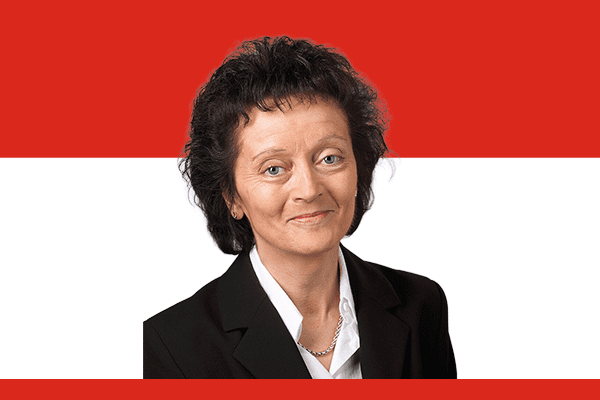
Early Life and Education
Eveline Widmer-Schlumpf was born on March 16, 1956, in Felsberg, Switzerland. She grew up in a politically active family, as her father, Leon Schlumpf, served as a Federal Councillor. This environment exposed her to governance and public service from an early age.
She studied law at the University of Zurich and later earned her doctorate. After completing her education, she practiced as a lawyer and developed expertise in legal and administrative matters. Her academic and professional background prepared her for a successful political career.
Political Career Beginnings
Widmer-Schlumpf began her political journey in the canton of Graubünden. She served in the cantonal government from 1998 to 2007, where she managed justice, police, and health departments. She demonstrated strong leadership and practical problem-solving skills during her tenure.
Instead of following a strictly partisan approach, she focused on consensus-building and effective governance. Her work at the cantonal level strengthened her reputation as a capable and reliable leader.
Election to the Federal Council
In 2007, the Swiss Federal Assembly elected Widmer-Schlumpf to the Federal Council. Her election surprised many observers because she replaced Christoph Blocher, a dominant figure in Swiss politics. This decision created tension within the Swiss People’s Party, which later led to her expulsion from the party.
She responded by co-founding the Conservative Democratic Party, demonstrating her independence and determination. Her actions showed that she prioritized national interest and stability over party loyalty.
Role and Achievements
During her time in the Federal Council, Widmer-Schlumpf headed the Federal Department of Finance. She actively reformed Switzerland’s financial policies and strengthened international cooperation on tax matters. She worked to improve transparency and adapt Switzerland’s banking system to global standards.
Her leadership became particularly important during the global financial crisis. She guided Switzerland through economic challenges and maintained stability. She also served as President of the Swiss Confederation in 2012, representing the country on the global stage.
Leadership Style
Widmer-Schlumpf adopted a practical and inclusive leadership style. She made decisions based on careful analysis and long-term benefits rather than short-term political gains. She communicated clearly and worked collaboratively with colleagues.
Instead of avoiding challenges, she addressed complex financial and political issues directly. Her calm and determined approach helped her navigate controversies and maintain public trust.
Personal Life
Eveline Widmer-Schlumpf balanced her demanding career with her personal life. She is married and has children. Despite her high-profile position, she maintained a relatively private lifestyle and focused on her responsibilities.
Her grounded personality and commitment to public service contributed to her strong reputation in Swiss society.
Legacy and Impact
Widmer-Schlumpf left a lasting impact on Switzerland’s political and financial systems. She strengthened the country’s international credibility and promoted transparency in financial governance. Her independent stance reshaped party dynamics and encouraged political diversity.
She demonstrated that strong leadership can coexist with humility and cooperation. Her contributions continue to influence Swiss politics and public policy.
Conclusion
Eveline Widmer-Schlumpf stands out as a determined and forward-thinking leader. Through active decision-making and dedication, she played a key role in modernizing Switzerland’s governance and financial policies. Her career remains an example of integrity, resilience, and effective leadership.