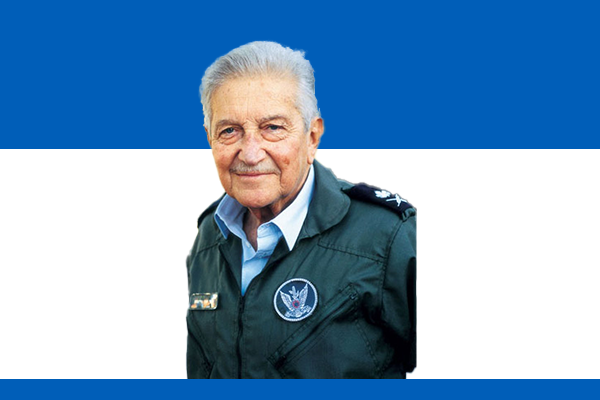
Early Life and Military Beginnings
Ezer Weizman was born on June 15, 1924, in Tel Aviv. He grew up in a pioneering Zionist family that encouraged discipline, courage, and service to the Jewish people. As a young man, Weizman joined the British Royal Air Force during World War II. He trained as a pilot and built a reputation for confidence, precision, and daring moves. These early experiences prepared him for a long and influential military career in the emerging State of Israel.
Rise in the Israeli Air Force
After Israel declared independence in 1948, Weizman joined the Israeli Air Force (IAF) and quickly rose through the ranks. He helped develop the IAF into a formidable military force by modernizing tactics, strengthening training programs, and acquiring advanced aircraft. His leadership shaped the IAF’s strategy during Israel’s early conflicts, and many officers viewed him as one of Israel’s most innovative military thinkers. He later served as the commander of the IAF and promoted a culture of excellence that still influences the force today.
Transition into Politics
Weizman moved from military service into politics in the 1970s. He joined the Likud Party and became one of its most dynamic voices. His strong personality, humor, and direct communication style helped him connect with the public. In 1977, he played a key role in Likud’s historic electoral victory, which brought Menachem Begin to power. Begin appointed Weizman as Minister of Defense, a position that allowed him to apply his military expertise to national policy.
Role in the Egypt–Israel Peace Treaty
As Minister of Defense, Weizman supported diplomatic negotiations with Egypt. He believed that peace would provide long-term security for Israel and improve its regional standing. He worked closely with Egypt and American officials during the peace talks. His personal charm, practical thinking, and military credibility helped advance dialogue. In 1979, Israel and Egypt signed their landmark peace treaty, marking the first agreement between Israel and an Arab state. Weizman embraced this achievement as a historic breakthrough that could pave the way for broader regional cooperation.
Presidency of Israel
In 1993, the Knesset elected Ezer Weizman as the seventh President of Israel. He brought warmth, humor, and a personable style to the presidency. He frequently visited military bases, schools, hospitals, and immigrant communities to connect directly with citizens. He believed that a president should understand the people’s struggles and hopes, and he made public engagement a central part of his role. His speeches highlighted unity, security, and the importance of remembering Jewish history.
Leadership Style and Public Image
Weizman cultivated an image of authenticity and openness. He often spoke candidly, even when his views challenged political norms. Many citizens admired him for his honesty and straightforward approach, while some criticized his bluntness. Despite occasional controversies, he maintained broad popularity because he represented national strength combined with personal empathy. He believed that leadership required both emotional connection and firm decision-making.
Later Years and Legacy
Ezer Weizman resigned from the presidency in 2000 due to political pressures, but he remained a respected national figure until his passing in 2005. Israelis remember him as a bold military commander, a strategic thinker, and a passionate advocate for peace. His efforts to strengthen the Israeli Air Force, support historic diplomacy, and bring a human touch to the presidency left a lasting impact on the country.
Conclusion
President Ezer Weizman shaped Israel through courage, innovation, and heartfelt leadership. He guided the nation in war and peace, influenced political shifts, and connected deeply with its citizens. His legacy continues to inspire leaders who aim to combine strength with compassion.