Mr. Fakhruddin Ali Ahmed
In Office: 24 August 1974 – 11 February 1977
Political Party: Indian National Congress
Home State: Delhi
Lifespan: 1905–1977
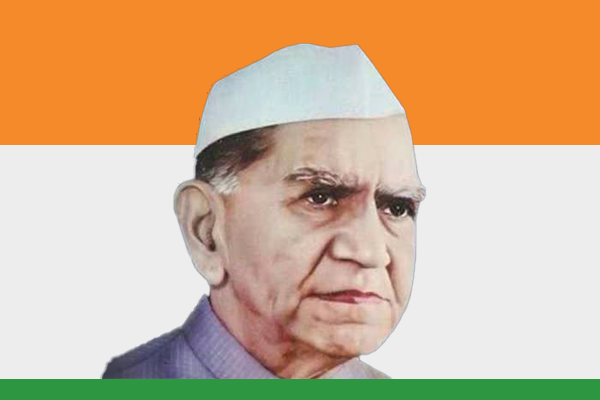
Early Life and Education
Fakhruddin Ali Ahmed was born on May 13, 1905, in the Hauz Qazi area of Old Delhi. His father, Col. Zalnur Ali Ahmed, became the first Assamese to earn an M.D. degree, and his mother, Sahibzadi Ruqaiyya Sultan, was the daughter of the Nawab of Loharu. Ahmed completed his early education at Government High School in Gonda district, Uttar Pradesh, and later graduated from St. Stephen’s College, Delhi. In 1923, he traveled to England and pursued higher studies at St. Catharine’s College, University of Cambridge, from where he graduated in 1927. He qualified for the Bar at the Inner Temple in London in 1928. During his time in England, he met Jawaharlal Nehru in 1925, who inspired him to join the Indian National Congress.
Political Career and Freedom Struggle
After returning to India, Ahmed began practicing law in Lahore, and later moved to Guwahati. He joined the Indian National Congress and actively participated in the freedom movement. In 1937, he won a seat in the Assam Legislative Assembly and became Minister for Finance, Revenue, and Labour in the Congress government led by Gopinath Bordoloi. He introduced progressive taxation policies, including taxes on agricultural income and the tea industry, to improve worker welfare.
Authorities arrested him in 1940 for participating in the Individual Satyagraha. He was arrested again in 1942 during the Quit India Movement, leading to three years of imprisonment. He strongly opposed the Muslim League’s demand for Pakistan and stayed committed to the idea of a united India. After independence, he served as Advocate General of Assam from 1946 to 1952. He later held multiple ministerial posts in the Assam government.
Presidency (1974–1977)
In 1974, Ahmed became the fifth President of India and the second Muslim to hold the office. His presidency was notably defined by the declaration of the Emergency in 1975, which he approved on the advice of Prime Minister Indira Gandhi. During this time, the government suspended civil liberties and arrested political opponents, which led to widespread criticism.
Death and Legacy
Ahmed died of a heart attack on February 11, 1977, at Rashtrapati Bhavan, becoming the second Indian President to die while in office. The government held a state funeral with full honors and buried him at Jama Masjid in Delhi. He is remembered for his contributions to India’s freedom struggle and his long service in various governmental roles. The Fakhruddin Ali Ahmed Medical College and Hospital in Barpeta, Assam—established in 2011—stands as a tribute to his dedication to public service.
Fakhruddin Ali Ahmed lived a life of commitment to India’s independence and democratic governance, leaving behind a legacy of integrity and public service that continues to inspire.