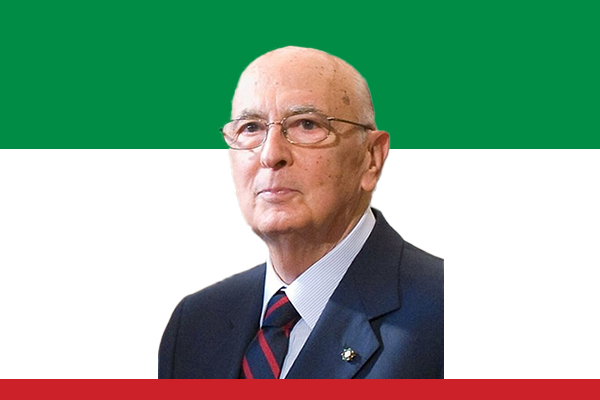
President Giorgio Napolitano: Italy’s Statesman
Giorgio Napolitano, one of Italy’s most respected political figures, dedicated his life to shaping Italian democracy. Born on June 29, 1925, in Naples, Italy, Napolitano actively engaged in politics from a young age, committing himself to anti-fascist movements and advocating for civil liberties and social justice. His career spans decades, reflecting his unwavering dedication to public service and constitutional integrity.
Early Life and Political Engagement
Napolitano actively opposed fascism during his youth, joining democratic movements in post-war Italy. He became a member of the Italian Communist Party (PCI) in 1945, where he actively promoted democratic reforms and social policies. Napolitano participated in parliamentary debates and party leadership roles, contributing to Italy’s reconstruction after World War II. His early political work focused on promoting equality, human rights, and the development of Italy’s democratic institutions.
Parliamentary Career
In 1953, Napolitano actively entered the Italian Chamber of Deputies, beginning a long parliamentary career. He consistently advocated for social welfare, economic reform, and civil rights. Throughout his tenure, he actively shaped legislation on labor rights, public administration, and European integration. Colleagues recognized him for his ability to build consensus and act as a mediator in contentious political debates.
Ministerial Roles
Napolitano served as Minister of the Interior from 1996 to 1998. In this role, he actively addressed public security, immigration, and administrative reforms. He implemented policies to modernize Italy’s internal security system while maintaining civil liberties. His ministerial leadership reflected a balance between law enforcement and the protection of democratic principles.
Presidency of Italy
Giorgio Napolitano served as President of Italy from 2006 to 2015, becoming the first Italian president to be re-elected for a second term. During his presidency, he actively guided Italy through political crises, economic challenges, and social change. Napolitano actively mediated between political parties, ensuring government stability and continuity during periods of uncertainty. He actively represented Italy internationally, participating in European Union meetings and strengthening Italy’s global relations.
Domestic and International Impact
Napolitano actively influenced Italy’s approach to European integration, economic reform, and constitutional matters. He emphasized the importance of unity, dialogue, and institutional stability. On the international stage, he actively represented Italy in diplomatic engagements, advocating for peace, cooperation, and sustainable development. His presidency strengthened Italy’s reputation as a stable democracy committed to European and global collaboration.
Legacy
Even after leaving the presidency, Napolitano actively participated in public discourse, writing articles and giving speeches on democracy, European unity, and social responsibility. He inspired generations of politicians and citizens with his commitment to ethical leadership and constitutional values. His career demonstrates the importance of active engagement, dialogue, and principled governance in shaping a nation’s political and social landscape.