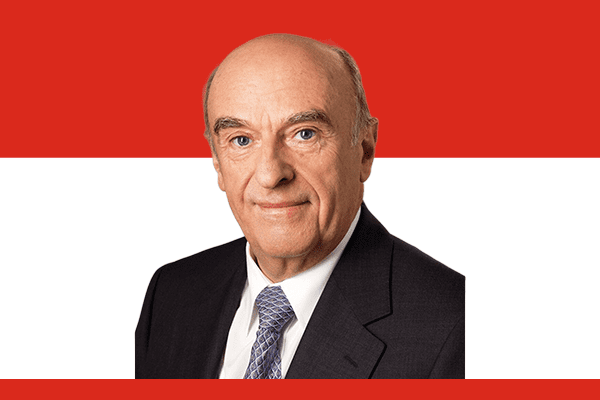
Mr. Hans-Rudolf Merz
In Office: 1 January 2009 – 31 December 2009
Political Party: FDP.The Liberals
Home State: Herisau
Lifespan: born 194
Country: Switzerland
Image credits available here.
Early Life and Education
Micheline Calmy-Rey was born on July 8, 1945, in Sion, Switzerland. She grew up in a politically aware environment that encouraged civic participation. She pursued higher education at the Graduate Institute of International Studies in Geneva, where she studied political science. Her academic background equipped her with a deep understanding of international relations and diplomacy.
Before entering national politics, she worked in business and local government. She served in the Geneva cantonal parliament and later became part of the cantonal government. Through these roles, she actively gained administrative experience and developed a strong political profile.
Entry into Federal Politics
In 2002, the Swiss Federal Assembly elected Micheline Calmy-Rey to the Federal Council, making her one of the country’s top political leaders. She headed the Federal Department of Foreign Affairs, where she actively directed Switzerland’s international relations.
Instead of maintaining a low profile, she adopted a visible and proactive diplomatic approach. She engaged with global leaders, promoted peace initiatives, and strengthened Switzerland’s role as a mediator in international conflicts.
Presidency and Leadership Style
Micheline Calmy-Rey served as President of Switzerland in 2007 and again in 2011. In Switzerland’s unique political system, the presidency rotates annually among Federal Council members. Although the role is largely ceremonial, she used her tenure to actively highlight Switzerland’s global presence.
She became known for her assertive and independent leadership style. She did not hesitate to express Switzerland’s positions on international issues, even when they attracted controversy. For example, she actively supported dialogue with countries facing political isolation, reinforcing Switzerland’s tradition of neutrality and mediation.
Contributions to Foreign Policy
As Foreign Minister, Calmy-Rey actively expanded Switzerland’s diplomatic reach. She played a key role in promoting peace negotiations and humanitarian efforts. She supported initiatives in the Middle East, Latin America, and other regions experiencing conflict.
She also strengthened Switzerland’s image as a neutral yet engaged nation. Rather than remaining passive, she actively encouraged Switzerland to participate in global discussions on human rights, development, and security.
Her efforts in signing international agreements and fostering diplomatic relations demonstrated her commitment to multilateral cooperation. She ensured that Switzerland maintained its independence while contributing to global stability.
Challenges and Controversies
Micheline Calmy-Rey’s outspoken approach sometimes sparked criticism. Some political opponents argued that her actions pushed Switzerland beyond its traditional neutral stance. However, she defended her policies by emphasizing active neutrality—engaging in dialogue without taking sides.
She handled criticism with confidence and continued to pursue her diplomatic goals. Her willingness to take risks set her apart from more cautious leaders and highlighted her determination to make Switzerland relevant on the global stage.
Legacy and Impact
Micheline Calmy-Rey left a lasting impact on Swiss politics and international diplomacy. She transformed the role of Foreign Minister by making it more dynamic and visible. Her leadership demonstrated that neutrality does not require silence but can involve active participation in global affairs.
She also inspired future generations of women in politics, showing that strong leadership and bold decision-making can drive meaningful change.
Conclusion
Micheline Calmy-Rey remains a significant figure in Swiss political history. Through active engagement and innovative diplomacy, she strengthened Switzerland’s global role while preserving its core values. Her legacy continues to influence how Switzerland approaches international relations today.