Mr. Hibatullah Akhundzada
Assumed office: 15 August 2021 – Present
Political Party: Taliban
Home state: Kandahar
Lifespan: Present
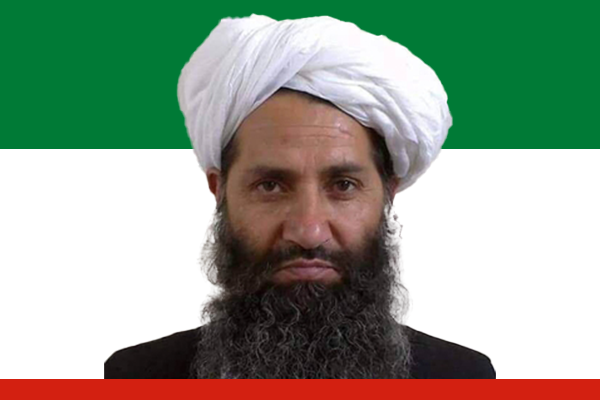
Early Life and Religious Background
Hibatullah Akhundzada was born in Kandahar Province around 1961 into a religious Pashtun family from the Noorzai tribe. From a young age, he pursued Islamic studies and became deeply rooted in religious scholarship. He studied at various seminaries in Afghanistan and later in Pakistan, gaining prominence as an expert in Islamic jurisprudence (fiqh). His strong religious foundation earned him respect within conservative circles.
Role in the First Taliban Regime (1996–2001)
During the Taliban’s first rule over Afghanistan (1996–2001), Akhundzada served in the judiciary system. He became well known for issuing religious rulings (fatwas) and playing a central role in shaping Taliban legal doctrine. Unlike other Taliban leaders, he did not focus on military operations but maintained influence through his judicial and religious roles.
Rise to Leadership
After the U.S.-led invasion toppled the Taliban in 2001, Akhundzada reportedly fled to Pakistan. There, he continued to guide the Taliban as a senior religious scholar and spiritual authority. In 2016, following the death of Mullah Akhtar Mansour in a U.S. drone strike, the Taliban leadership council appointed Akhundzada as the new Emir (supreme leader) of the movement. His selection was seen as a compromise aimed at unifying the group’s various factions, given his neutral and scholarly standing.
Leadership of the Taliban
As leader, Akhundzada focused on religious and ideological matters while delegating military and political responsibilities to deputies like Sirajuddin Haqqani and Mullah Yaqoob. Under his leadership, the Taliban engaged in direct negotiations with the United States, leading to the 2020 Doha Agreement, which laid the groundwork for the withdrawal of U.S. and NATO forces from Afghanistan.
Return to Power in 2021
In August 2021, the Taliban regained control of Kabul after a rapid military offensive. Akhundzada, as the Emir, became the de facto head of state in the newly declared Islamic Emirate of Afghanistan. Though he did not appear publicly, he ruled through decrees issued from Kandahar, positioning himself as the ultimate religious and political authority.
Governance and Controversies
Akhundzada’s leadership has been defined by a strict interpretation of Islamic law. His decrees have resulted in harsh restrictions on women’s rights, including bans on girls’ secondary education, female employment, and travel without a male guardian. These actions have provoked international condemnation and deepened Afghanistan’s diplomatic isolation.
Internal Taliban Tensions
Akhundzada’s hardline views have also led to internal tensions within the Taliban. While pragmatic leaders in Kabul push for global recognition and economic engagement, Akhundzada and his Kandahar-based supporters resist any compromise on ideological principles. This internal power struggle continues to shape the future direction of Taliban governance.
Legacy and Impact
Hibatullah Akhundzada remains a secretive yet powerful figure in Afghanistan’s current political landscape. His emphasis on religious authority over diplomacy defines the Taliban’s governance model. While some view him as a guardian of Islamic values, others see his rule as a barrier to peace, development, and international integration for Afghanistan.