Mr. Htin Kyaw
In Office: 30 March 2016 – 21 March 2018
Political Party: National League for Democracy
Home State: Greater Yangon
Lifespan: born 1946
Country: Myanmar
Image credits available here.
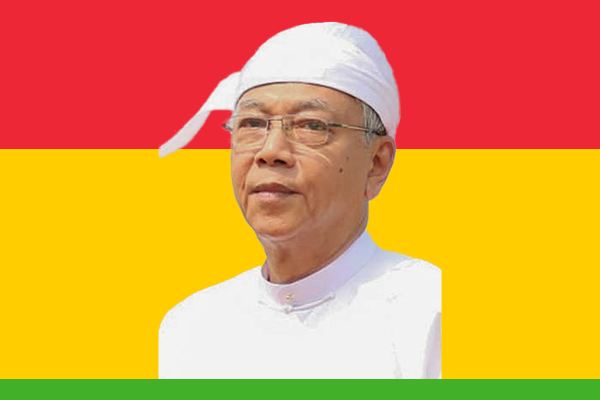
Early Life and Education
Htin Kyaw was born on 20 July 1946 in Myanmar (then Burma). He grew up in a politically aware family, as his father, Min Thu Wun, was a respected poet and intellectual. From an early age, Htin Kyaw developed a strong interest in literature, economics, and public affairs. He pursued higher education at the University of Yangon, where he studied economics and built a solid academic foundation that later supported his work in governance and administration.
Professional Career Before Politics
Before entering active politics, Htin Kyaw worked as a civil servant and economist. He served in the Ministry of Planning and Finance, where he gained firsthand experience in economic management and policy formulation. After retiring from government service, he remained engaged in social and charitable activities. He also managed several foundations linked to Aung San Suu Kyi, including the Daw Khin Kyi Foundation. Through this role, he earned a reputation as a trusted administrator and loyal associate of Myanmar’s democratic movement.
Path to the Presidency
In 2015, Myanmar held historic general elections that brought the National League for Democracy (NLD) to power. Although Aung San Suu Kyi led the party to a landslide victory, the constitution barred her from becoming president because her children held foreign citizenship. To address this limitation, the NLD nominated Htin Kyaw, a close confidant of Suu Kyi, for the presidency. In March 2016, Myanmar’s parliament elected Htin Kyaw as the 9th President of Myanmar, marking a turning point in the nation’s political history.
Role as President of Myanmar
As president, Htin Kyaw focused on supporting Myanmar’s democratic transition. He worked closely with Aung San Suu Kyi, who assumed the newly created role of State Counsellor. Htin Kyaw used his constitutional authority to facilitate civilian governance while respecting the political realities of military influence in parliament. He emphasized transparency, administrative reform, and cooperation between civilian leaders and state institutions.
Policies and Governance Style
Htin Kyaw adopted a quiet and consensus-oriented leadership style. Instead of asserting personal power, he prioritized institutional stability and democratic norms. He supported economic reforms, encouraged foreign investment, and promoted social welfare initiatives. His government also attempted to improve education, healthcare, and rural development. While the military retained significant authority, Htin Kyaw consistently represented civilian leadership and constitutional governance.
Challenges During His Presidency
Htin Kyaw faced major challenges throughout his tenure. Myanmar continued to struggle with ethnic conflicts, economic inequality, and international criticism over human rights issues. The most serious challenge involved the Rohingya crisis, which drew global attention and diplomatic pressure. Although the government faced criticism for its handling of the situation, Htin Kyaw maintained his focus on national stability and internal reform under difficult political constraints.
Resignation and Later Life
In March 2018, Htin Kyaw resigned from the presidency, citing health reasons. His resignation marked the end of a historic chapter in Myanmar’s democratic experiment. Win Myint succeeded him as president. After stepping down, Htin Kyaw withdrew from public life and remained largely out of the political spotlight.
Legacy and Historical Significance
Htin Kyaw holds lasting historical importance as Myanmar’s first civilian president in more than 50 years. He symbolized the country’s shift away from direct military rule and toward democratic governance. Although he governed quietly, his presidency strengthened civilian leadership and laid groundwork for democratic institutions. Historians remember Htin Kyaw as a transitional leader who played a crucial role during one of Myanmar’s most significant political transformations.