Mr. Joseph Deiss
In Office: 1 January 2004 – 31 December 2004
Political Party: Free Democratic Party
Home State: Fribourg
Lifespan: born 1946
Country: Switzerland
Image credits available here.
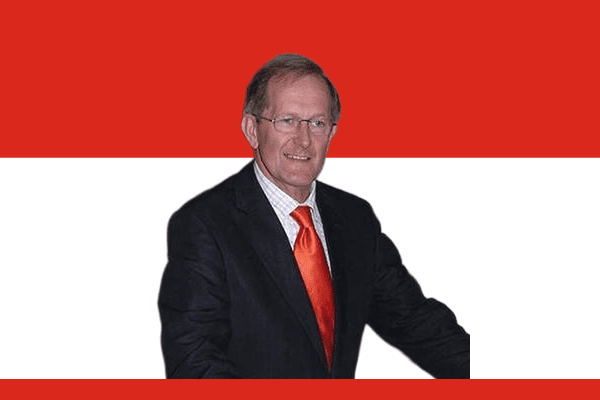
Early Life and Education
Joseph Deiss was born on January 18, 1946, in Fribourg, Switzerland. He grew up in a modest family and developed a strong interest in education and public service from an early age. He pursued higher studies in economics at the University of Fribourg and later enhanced his academic profile through international exposure.
He worked as a professor of economics, where he actively taught students and conducted research in economic policy. His academic career strengthened his analytical thinking and provided him with a solid foundation for his future role in politics.
Entry into Politics
Joseph Deiss entered Swiss politics as a member of the Christian Democratic People’s Party. He quickly established himself as a capable and knowledgeable leader. In 1999, he joined the Swiss Federal Council, which serves as the country’s executive body.
As a Federal Councillor, he headed the Federal Department of Foreign Affairs from 1999 to 2002. During this period, he actively promoted Switzerland’s foreign relations and strengthened its global presence. Later, he led the Federal Department of Economic Affairs from 2003 to 2006, where he focused on economic reforms and trade policies.
Presidency of Switzerland
In 2004, Joseph Deiss served as the President of Switzerland. Unlike many countries, Switzerland rotates its presidency annually among Federal Council members. During his presidency, Deiss actively represented the country at international forums and worked to enhance Switzerland’s diplomatic influence.
He prioritized economic stability, international cooperation, and sustainable development. His leadership reflected Switzerland’s commitment to neutrality and constructive engagement with global issues.
Role at the United Nations
Joseph Deiss gained international recognition when he was elected President of the 65th session of the United Nations General Assembly in 2010. In this role, he actively guided discussions on global economic recovery following the financial crisis.
He emphasized the importance of multilateralism and encouraged cooperation among member states. Instead of remaining a ceremonial figure, he actively facilitated dialogue and worked toward consensus on key global challenges such as poverty, development, and financial stability.
Contributions and Achievements
Throughout his career, Joseph Deiss has actively contributed to both national and international policy-making. In Switzerland, he strengthened economic policies and promoted sustainable growth. On the global stage, he advocated for dialogue, cooperation, and shared responsibility.
He played a crucial role in addressing economic challenges and fostering international partnerships. His ability to balance academic knowledge with practical governance made him an effective leader.
Personal Life
Joseph Deiss maintains a relatively private personal life. He is married and has children, and he values family alongside his professional responsibilities. Despite his high-profile career, he remains grounded and committed to public service.
Legacy and Significance
Joseph Deiss’s legacy reflects dedication, leadership, and international cooperation. He actively served Switzerland with integrity and represented the country effectively on the global stage. His work at the United Nations demonstrated his commitment to addressing worldwide challenges through dialogue and collaboration.
He continues to be remembered as a leader who combined academic excellence with political experience. His contributions have left a lasting impact on both Switzerland and the international community.
Conclusion
Joseph Deiss stands out as a respected figure in global politics. Through active engagement and strong leadership, he has influenced economic policy and international diplomacy. His career highlights the importance of cooperation, knowledge, and commitment in addressing complex global issues.