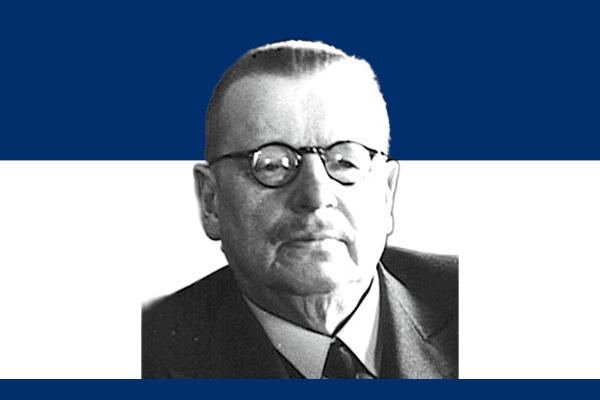
Early Life and Education
Juho Kusti Paasikivi was born on November 27, 1870, in Hämeenlinna, Finland. His original surname was Hellsten, but his family later changed it to the Finnish name Paasikivi during the rise of Finnish nationalism. He lost his mother at an early age, and his father worked hard to support the family.
Paasikivi studied law and economics at the University of Helsinki. He showed great intelligence and determination throughout his academic life. After completing his education, he worked as a lawyer and economist. His knowledge of finance and politics soon brought him into public service.
Entry into Politics
Paasikivi entered politics during a time when Finland struggled under Russian control. He joined the Finnish Party and strongly supported Finnish culture and national identity. He believed Finland should protect its traditions while also pursuing practical political solutions.
During the early twentieth century, Paasikivi served in several important government positions. He became a member of the Finnish Senate and later served as Prime Minister. He actively participated in Finland’s declaration of independence in 1917 after the Russian Revolution weakened Russian authority.
Diplomatic Career and Leadership
After Finland gained independence, Paasikivi focused on strengthening the country’s international position. He worked as a diplomat and represented Finland in several negotiations with foreign governments. His diplomatic abilities earned respect both at home and abroad.
During World War II, Finland faced serious threats from the Soviet Union. Paasikivi understood the dangers of conflict with a much larger neighbor. He supported realistic diplomacy instead of aggressive confrontation. After the war, he played a key role in negotiating peace agreements between Finland and the Soviet Union.
In 1946, Finland elected Paasikivi as President. He inherited a country damaged by war and burdened with economic difficulties. Despite these challenges, he guided Finland toward recovery and stability.
The Paasikivi Foreign Policy
One of Paasikivi’s greatest achievements was his foreign policy strategy. He believed Finland must maintain peaceful and cooperative relations with the Soviet Union while preserving its independence and democratic system. This approach later became known as the “Paasikivi Line.”
Instead of encouraging hostility, Paasikivi promoted dialogue and careful diplomacy. His policies reduced tensions and allowed Finland to avoid political domination during the Cold War. Many historians credit him with protecting Finnish sovereignty during one of Europe’s most dangerous periods.
Contributions to Finland
Paasikivi helped rebuild Finland’s economy after World War II. He encouraged industrial growth, trade, and national unity. Under his leadership, Finland strengthened democratic institutions and improved international relations.
He also inspired future leaders, including Urho Kekkonen, who continued many of his foreign policy principles. Paasikivi’s practical thinking and calm leadership style influenced Finnish politics for decades.
Legacy and Death
Juho Kusti Paasikivi retired from the presidency in 1956 after serving the nation for many years. He left behind a reputation as a wise and realistic leader who placed Finland’s security and independence above political ideology.
He died on December 14, 1956, in Helsinki. Finland continues to honor his contributions to national stability and diplomacy. Historians regard him as one of the most important presidents in Finnish history.
Conclusion
Juho Kusti Paasikivi transformed Finland through strong leadership, intelligent diplomacy, and practical decision-making. He guided the country through war recovery and international uncertainty while preserving democracy and independence. His policies shaped Finland’s modern foreign relations and created a foundation for long-term peace and stability.