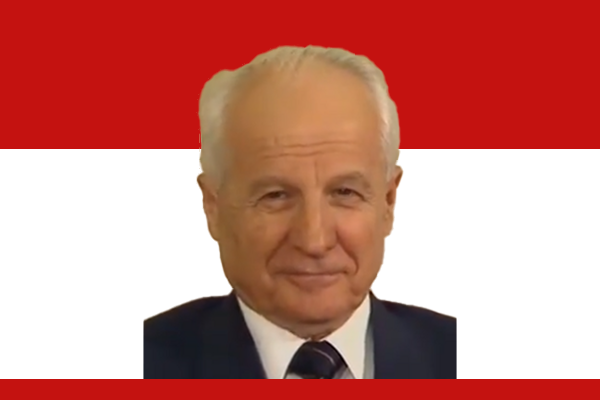
Kenan Evren, born on July 17, 1917, in Manisa, Turkey, emerged as a prominent military leader before becoming the seventh President of Turkey. He grew up in a modest family, and his early education instilled in him a sense of discipline and patriotism that guided his military career. Evren graduated from the Turkish Military Academy in 1938 and quickly rose through the ranks due to his dedication and leadership skills.
During his military career, Evren served in various key positions. He commanded several units, trained officers, and participated in strategic planning that shaped Turkey’s national security policies. His ability to maintain discipline and order earned him respect from both peers and subordinates. By the late 1970s, Evren had become a high-ranking general and a prominent figure in the Turkish Armed Forces.
Turkey faced significant political and social turmoil in the late 1970s and early 1980s. Economic instability, rising violence between political factions, and widespread unrest created a climate of uncertainty. Observing the deteriorating situation, Evren and other military leaders decided to intervene, believing that only decisive action could restore stability and protect the nation’s unity. On September 12, 1980, Evren led a military coup that temporarily suspended parliamentary rule. The military took control to stabilize the country and implement necessary reforms.
After the coup, Evren played a central role in drafting a new constitution aimed at strengthening the state and limiting political conflicts. The constitution, which the public approved in a 1982 referendum, sought to reinforce national security while outlining citizens’ rights. During his tenure, Evren worked closely with the military and government institutions to implement policies that promoted stability, modernized administrative systems, and curtailed extremist violence.
Evren transitioned from military leadership to civilian authority when he assumed the presidency in 1982. As President of Turkey, he focused on maintaining national unity, strengthening state institutions, and fostering economic recovery. His leadership faced criticism and praise alike. Critics argued that his tenure limited political freedoms, while supporters claimed he prevented further chaos and safeguarded the nation during a volatile period.
Throughout his presidency, Evren emphasized the importance of discipline, patriotism, and national cohesion. He encouraged educational reforms, infrastructural development, and efforts to modernize Turkey’s military and administrative structures. Even after leaving office in 1989, his influence continued to shape Turkish politics and civil-military relations. Evren’s presidency left a complex legacy, reflecting both his role as a stabilizing force and the controversies surrounding the military’s involvement in governance.
Kenan Evren passed away on May 9, 2015, leaving behind a deeply debated historical record. Historians and political analysts continue to study his actions, acknowledging the challenges Turkey faced during his leadership. Evren’s life illustrates the powerful intersection of military authority and national politics, revealing how leadership decisions can profoundly impact a nation’s trajectory.
In summary, Kenan Evren’s journey from a disciplined military officer to Turkey’s seventh president highlights his pivotal role in Turkish history. His decisions during times of crisis, commitment to national unity, and efforts to implement systemic reforms underscore his significance. While opinions about his tenure remain divided, his impact on the country’s political landscape remains undeniable.