Mr. Khondaker Mostaq Ahmad
In Office: 15 August 1975 – 6 November 1975
Political Party: Independent
Home State: Daudkandi
Lifespan: 1918–1996
Country: Bangladesh
Image credits available here.
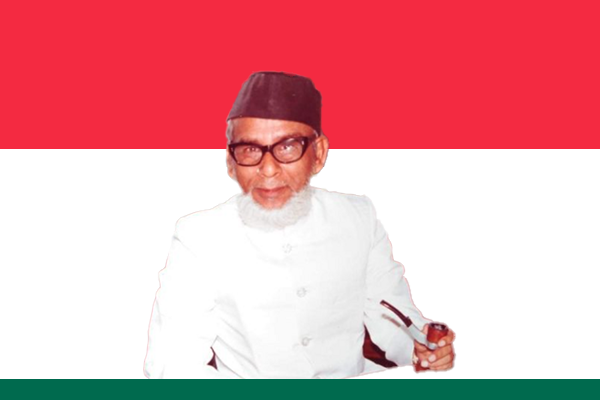
Early Life and Background
Khondaker Mostaq Ahmad was born on 30 November 1918 in Chandpur, Bengal Presidency. He grew up in a politically aware environment that shaped his early interest in public affairs. Ahmad completed his education in local institutions and later joined the Muslim League during British rule. His participation in politics began with his involvement in movements advocating for the rights and autonomy of Bengali Muslims. His early political experiences prepared him for the leadership roles he would assume after the partition of India.
Emergence in Bangladesh’s Political Scene
After the creation of Pakistan in 1947, Ahmad continued to participate actively in political debates and movements. He supported the demand for greater autonomy for East Pakistan and aligned himself with the leaders who opposed centralized rule from West Pakistan. When Bangladesh’s independence movement started gaining momentum, he joined the Awami League and supported Sheikh Mujibur Rahman’s vision of a sovereign nation. He took part in mobilizing people during the Liberation War in 1971 and represented Bangladesh’s cause internationally.
Role in the Government of Independent Bangladesh
After Bangladesh gained independence, Mostaq Ahmad became a key figure in the new government. Sheikh Mujibur Rahman appointed him as Minister of Commerce and later entrusted him with additional responsibilities. Ahmad handled trade policies, economic decisions, and international negotiations with confidence. He encouraged foreign trade and sought to rebuild the war-torn economy by attracting global support. Although he served in important positions, tensions emerged within the government regarding ideological differences and policy directions.
Rise to the Presidency
On 15 August 1975, members of the military assassinated Sheikh Mujibur Rahman and carried out a coup. In the aftermath, Khondaker Mostaq Ahmad took over as president. This event remains one of the most controversial chapters in Bangladesh’s history. Ahmad justified his decision by claiming he wanted to stabilize the nation, but critics accused him of collaborating with the coup plotters. His presidency immediately drew criticism from sections of the Awami League and the public.
Policies and Decisions as President
As president, Ahmad attempted to reverse some of Mujib’s policies. He announced political changes that reflected his desire to move Bangladesh toward a more conservative direction. He released several individuals who had opposed Mujib’s government and tried to rebuild alliances with countries that had strained relations with Bangladesh. He also amended the constitution to alter the government structure and increase executive influence. Through these decisions, he sought to consolidate power, but his actions deepened political divisions.
Facing National and International Reactions
Many citizens reacted strongly against Ahmad’s rise to power. Political leaders criticized him for taking the presidency during a national tragedy. Internationally, several countries viewed his government with suspicion. Ahmad struggled to build legitimacy as protests and political pressure grew. His administration relied heavily on the military officers who carried out the coup, which further weakened public trust.
Removal from Power
On 6 November 1975, another military uprising removed Ahmad from office. Political and military leaders who opposed the coup against Mujib joined forces to oust him. After his removal, he withdrew from active politics and lived a mostly quiet life. His brief tenure left a lasting impact on Bangladesh’s political trajectory, and debates about his role in the 1975 events continue even today.
Legacy
Khondaker Mostaq Ahmad remains one of the most debated figures in Bangladesh’s history. Many people view him as a leader who betrayed the ideals of the independence movement, while others argue that he acted during a period of extreme political turmoil. Regardless of perspective, his actions influenced the nation’s direction and shaped political discourse for decades. His presidency serves as a reminder of the fragility of democratic institutions and the consequences of political conflict.