Mr. Kim Dae-jung
In Office: 25 February 1998 – 25 February 2003
Political Party: Independent
Home State: Zenranan-dō
Lifespan: 1924–2009
Country: South Korea
Image credits available here.
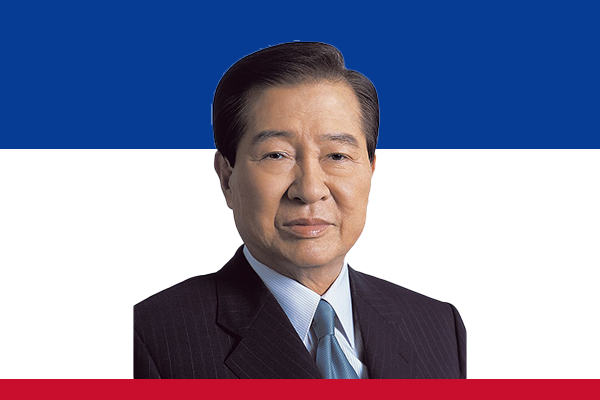
Early Life and Rise in Politics
Kim Dae-jung was born on December 3, 1924, in Haui-do, South Korea. He grew up in a modest family and developed an early interest in leadership and public life. He entered business first, built a successful career, and then stepped into politics with a strong sense of purpose. He ran for the National Assembly and won his seat, gaining recognition as a bold and articulate voice for democracy. As his influence grew, he challenged authoritarian rule and pushed for reforms that protected citizens’ rights.
Championing Democracy Against Dictatorship
Throughout the 1960s and 1970s, Kim Dae-jung challenged military dictators with unwavering determination. He spoke openly against the suppression of freedoms and demanded fair elections. Authorities targeted him repeatedly for his activism. They arrested him, attempted to silence him, and even orchestrated his kidnapping in 1973. Despite these dangers, he refused to withdraw from public life. He continued to organize pro-democracy movements, inspire citizens, and pressure the government to recognize human rights. His persistence transformed him into a symbol of resistance across South Korea.
Struggle, Imprisonment, and International Support
After the 1980 Gwangju Uprising, the military government arrested Kim again and sentenced him to death. His supporters inside and outside the country demanded justice, and international pressure forced the regime to reduce and eventually overturn his sentence. Kim used this moment not to retreat but to strengthen his commitment to peaceful political change. He studied, wrote, reflected, and prepared for a future in which South Korea embraced full democracy. When he returned to public politics, he carried global respect as a leader who risked his life for his principles.
Journey to the Presidency
Kim Dae-jung ran for president several times, losing narrowly but never abandoning hope. He built coalitions, connected with workers and rural communities, and presented a modern economic vision. In 1997, during the Asian financial crisis, South Koreans elected him as the 15th President of South Korea. His victory marked not just a personal achievement but also a triumph for democracy, as he became the first opposition leader to win the presidency peacefully.
Leadership During Economic Crisis
When Kim took office, the South Korean economy struggled under the weight of recession and collapsing industries. He acted decisively by restructuring banks, encouraging transparency, and promoting market competitiveness. He worked with international institutions, restored investor confidence, and brought stability back to the economy. His administration introduced reforms that strengthened technology industries and supported South Korea’s rise as a global digital leader. Through firm leadership, he helped the nation recover faster than many predicted.
The Sunshine Policy and Peace Efforts
Kim Dae-jung believed in dialogue and reconciliation between North and South Korea. He launched the “Sunshine Policy,” which aimed to reduce hostility, encourage cultural exchange, and open channels of cooperation. In 2000, he traveled to Pyongyang and met North Korean leader Kim Jong-il in a historic summit. This landmark event reduced tensions on the peninsula and won him the Nobel Peace Prize the same year. His commitment to peace inspired global admiration and strengthened hopes for long-term stability in the region.
Legacy and Influence
Kim Dae-jung left office in 2003 with a legacy rooted in bravery, persistence, and democratic values. He shaped modern South Korea by defending freedoms, steering economic recovery, and promoting peace. Even after leaving politics, he continued to speak, write, and advocate for human rights until his death in 2009. South Koreans remember him as a leader who fought for justice, protected the vulnerable, and opened the path for reconciliation.